



Bridging the Digital Skills Gap in Infrastructure and Manufacturing
The infrastructure and manufacturing sectors are entering a new operational era, one defined not only by physical engineering expertise but by digital capability. Technologies such as Building Information Modelling (BIM), Internet of Things (IoT) sensors, automation systems, artificial intelligence, and data analytics are transforming how projects are designed, delivered, and maintained.
For hiring managers, this transformation presents both an opportunity and a challenge. While digital innovation is increasing efficiency and enabling smarter infrastructure systems, it is also exposing a widening digital skills gap in engineering. Organisations are discovering that traditional engineering experience alone is no longer enough to meet modern project demands.
As infrastructure projects become smarter and manufacturing environments more automated, businesses must rethink how they approach Industry 4.0 hiring, workforce development, and technical recruitment.
The Digital Transformation of Infrastructure and Manufacturing
Across infrastructure and manufacturing environments, companies are implementing technologies that enhance visibility, automation, and predictive maintenance. These innovations allow teams to reduce downtime, optimise operations, and make more informed decisions using real-time data.
In infrastructure development, BIM platforms allow engineers and architects to collaborate within shared digital models, improving project coordination and reducing costly design conflicts. Meanwhile, IoT-enabled sensors monitor structural health, track asset performance, and enable predictive maintenance strategies.
Manufacturing environments are equally transformed. Automation systems, robotics, and advanced analytics now drive productivity in modern factories. The integration of digital tools into production environments has created what many refer to as smart manufacturing, a cornerstone of the broader Industry 4.0 movement.
However, while the technology exists, the workforce capable of implementing and managing these systems is still catching up.
Understanding the Digital Skills Gap in Engineering
The digital skills gap in engineering refers to the shortage of professionals who can combine traditional engineering knowledge with digital competencies.
Many experienced engineers built their careers around mechanical systems, civil structures, or electrical infrastructure. While their expertise remains invaluable, modern projects increasingly require professionals who also understand:
- Digital modelling platforms
- Data analysis and visualisation
- Smart asset monitoring systems
- Automation and control technologies
- Cybersecurity considerations for connected infrastructure
This shift means organisations are no longer hiring purely for engineering knowledge; they are seeking hybrid professionals who can operate comfortably in both physical and digital environments.
The gap is particularly visible in sectors such as rail infrastructure, energy networks, advanced manufacturing, and urban infrastructure development.
Why Traditional Engineers Now Need Digital Fluency
The evolution of infrastructure and manufacturing has fundamentally changed how engineering teams operate.
Where engineers once relied heavily on physical drawings, manual reporting, and reactive maintenance strategies, modern environments rely on integrated digital systems that provide continuous insights into project performance.
Digital fluency enables engineers to:
- Interpret and manage BIM models during design and construction phases
- Analyse asset data to predict maintenance needs
- Integrate IoT systems into infrastructure networks
- Work collaboratively across cloud-based platforms
- Improve operational efficiency through automation tools
Without digital capability, engineers may struggle to contribute effectively to modern projects that rely heavily on data-driven decision-making.
Professionals who can combine both skill sets are becoming some of the most valuable assets within infrastructure and manufacturing organisations.
Where Infrastructure and Manufacturing Hiring Processes Often Fail
Despite recognising the importance of digital capability, many organisations struggle to recruit effectively in this evolving landscape.
One common mistake is relying on outdated job descriptions that focus solely on traditional engineering skills while overlooking digital competencies.
For example, a role requiring BIM coordination, data analysis, or automation oversight may still be advertised using language designed for purely mechanical or civil engineering positions.
This misalignment discourages digitally skilled candidates who expect to see their expertise reflected in the role description.
Another common issue is rigid hiring criteria. Many companies look for candidates with extensive experience across all required digital platforms. However, given the rapid pace of technological change, such professionals are rare.
Employers who insist on perfect matches may leave critical positions unfilled for extended periods.
Updating Job Specifications for a Digital Workforce
To successfully recruit within digitally evolving industries, hiring managers must modernise their hiring approach.
Job descriptions should clearly reflect the digital aspects of the role, highlighting expectations for data-driven decision-making, system integration, and collaboration on digital platforms.
Employers should also prioritise learning agility when evaluating candidates. Professionals who demonstrate adaptability and a willingness to develop new digital skills often outperform candidates with narrow technical experience but limited flexibility.
Updating hiring criteria to recognise transferable digital capabilities can significantly expand the available talent pool.
The Strategic Role of Specialist Recruitment
Given the complexity of digital transformation, companies increasingly rely on specialist recruitment partners to identify professionals who combine engineering depth with digital fluency.
Specialist recruiters understand the evolving nature of technical roles and can evaluate candidates based on both traditional competencies and emerging digital capabilities.
This is where Deploy brings significant value.
Deploy works closely with infrastructure and manufacturing organisations to identify talent capable of supporting digital transformation initiatives. Our recruitment approach evaluates not only technical experience but also adaptability, digital literacy, and long-term growth potential.
By aligning talent acquisition with industry trends, Deploy helps organisations build teams capable of navigating both physical engineering challenges and digital innovation.
Final Takeaway: Building the Workforce for a Digital Future
The digital transformation of infrastructure and manufacturing is accelerating rapidly. Technologies such as BIM, IoT systems, automation platforms, and data analytics are reshaping how projects are delivered and how operations are managed.
For organisations across these sectors, bridging the digital skills gap in engineering is now a strategic priority.
Success will depend on three key actions:
- Recognising the importance of digital fluency alongside traditional engineering expertise
- Updating hiring strategies to reflect Industry 4.0 workforce needs
- Investing in both recruitment and upskilling to develop digitally capable teams
Companies that adapt quickly will build the smart infrastructure workforce needed to compete in a connected, data-driven world.
Deploy remains at the forefront of this transformation, helping infrastructure and manufacturing organisations secure the technical talent required to deliver modern projects and support the industries of tomorrow.
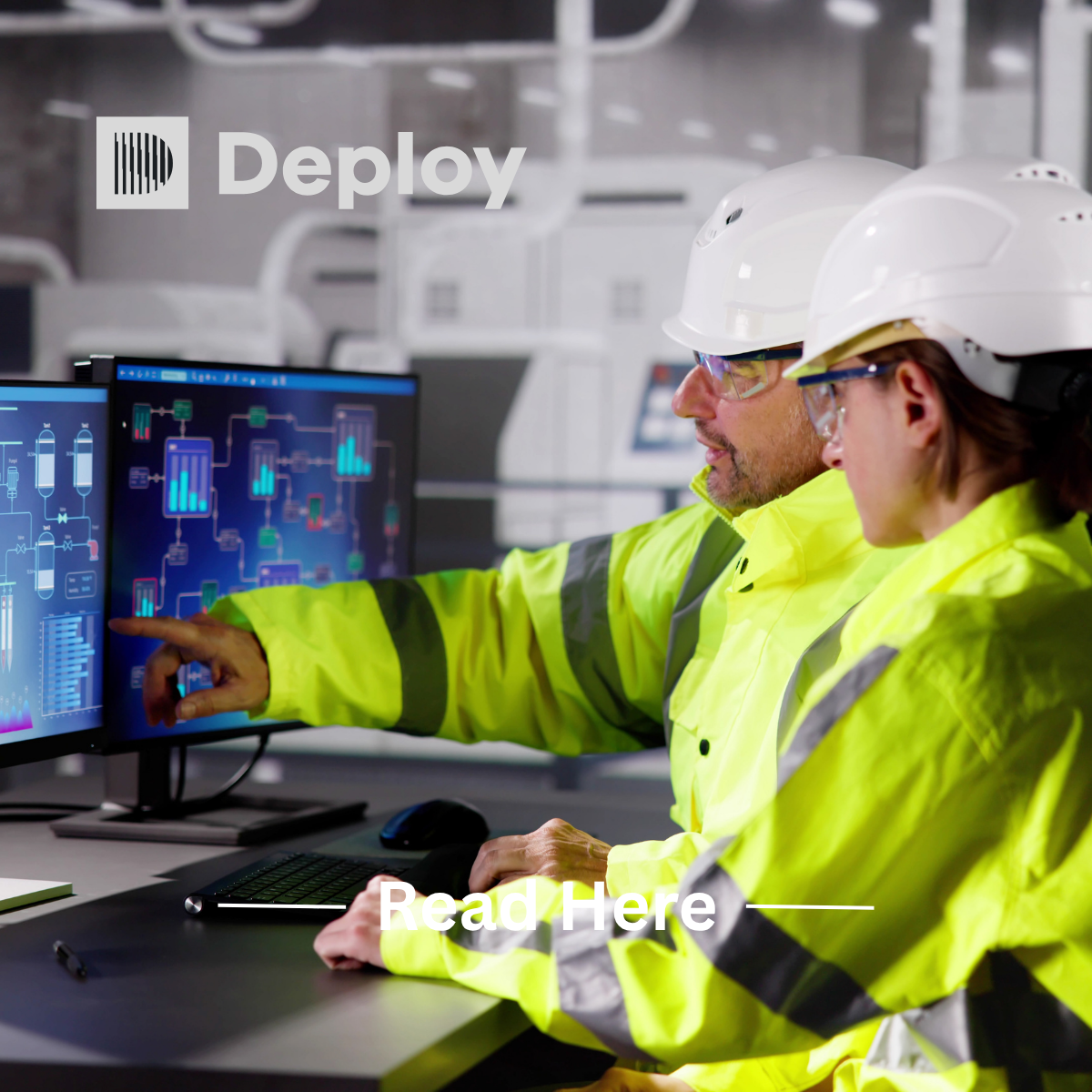
Ensure compliance across multi-project infrastructure. Access our checklist for effective workforce management today!

Explore the impact of talent shortages in infrastructure. Plan strategically for 2026's market. Contact us for expert recruitment solutions.
Learn to assess leadership skills in technical candidates beyond their CVs. Enhance your recruitment process today!