

Our Areas Of Expertise

Semi Conductive
Heavy Industrial
Manufacturing
Production
Special Purpose Machinery
Automation
FMCG
R&D

The engineering and manufacturing sector is a diverse and dynamic industry that encompasses a wide range of activities, including the design, development, production, and maintenance of products, systems, and infrastructure.

It plays a fundamental role in driving innovation, economic growth, and technological advancements. Making good hires is crucial in this sector for ensuring efficient and high-quality production, optimising operational processes, and driving product innovation.

As your strategic delivery partner in engineering and manufacturing, we supply specialised, compliant talent, enabling you to build competent teams that can meet industry demands, deliver innovative solutions, and maintain a competitive edge. By partnering with us, you can grow faster, improve operational efficiency, and contribute to the advancement of technology and industrial capabilities.

Welder working with sparks in a workshop.

Our latest jobs

Job Search

Deploy Feed

#Blogs
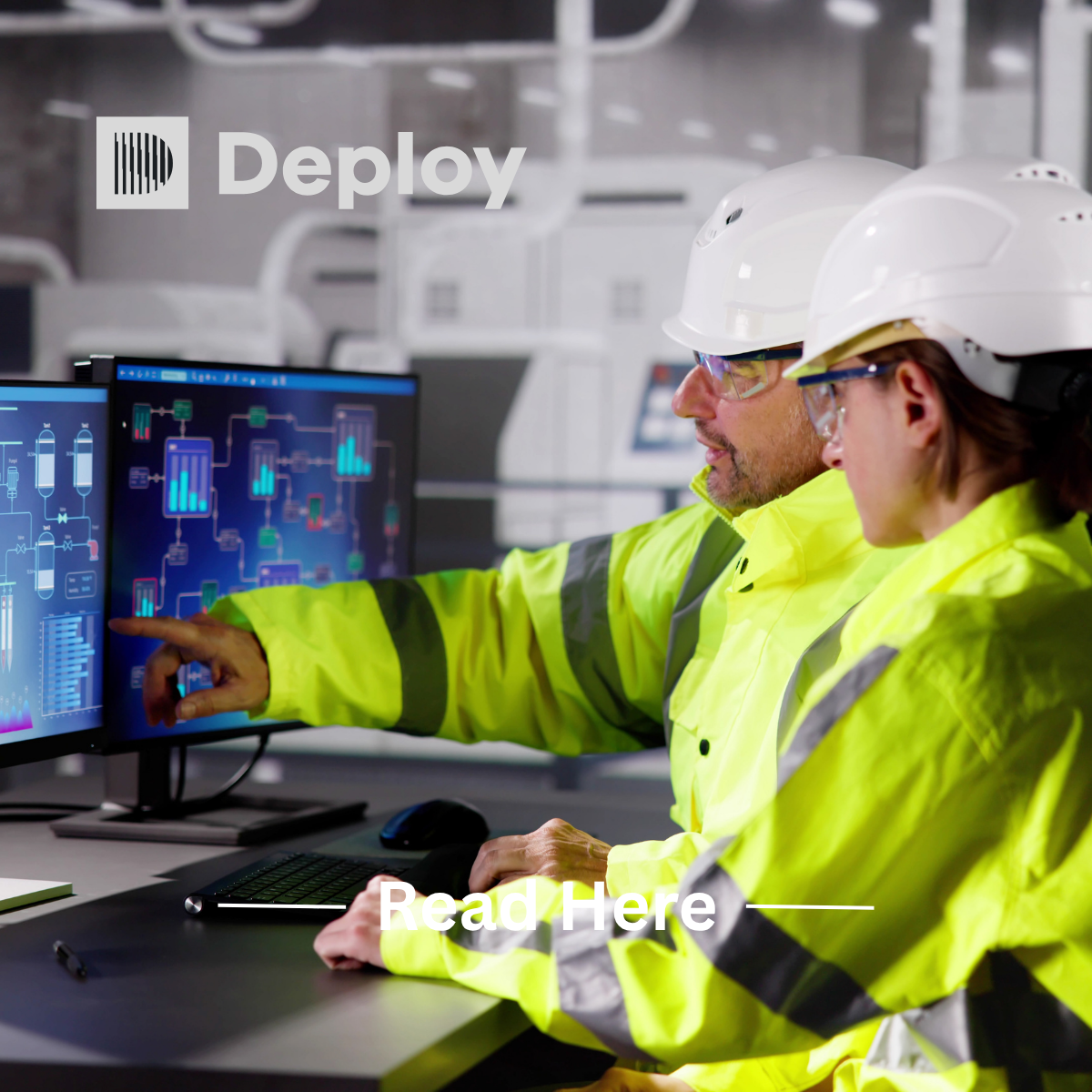
Robot arm deploying electronic component in an industrial setting.
March 13, 2026
The infrastructure and manufacturing sectors are entering a new operational era, one defined not only by physical engineering expertise but by digital capability. Technologies such as Building Information Modelling (BIM), Internet of Things (IoT) sensors, automation systems, artificial intelligence, and data analytics are transforming how projects are designed, delivered, and maintained. For hiring managers, this transformation presents both an opportunity and a challenge. While digital innovation is increasing efficiency and enabling smarter infrastructure systems, it is also exposing a widening digital skills gap in engineering. Organisations are discovering that traditional engineering experience alone is no longer enough to meet modern project demands. As infrastructure projects become smarter and manufacturing environments more automated, businesses must rethink how they approach Industry 4.0 hiring, workforce development, and technical recruitment. The Digital Transformation of Infrastructure and Manufacturing Across infrastructure and manufacturing environments, companies are implementing technologies that enhance visibility, automation, and predictive maintenance. These innovations allow teams to reduce downtime, optimise operations, and make more informed decisions using real-time data. In infrastructure development, BIM platforms allow engineers and architects to collaborate within shared digital models, improving project coordination and reducing costly design conflicts. Meanwhile, IoT-enabled sensors monitor structural health, track asset performance, and enable predictive maintenance strategies. Manufacturing environments are equally transformed. Automation systems, robotics, and advanced analytics now drive productivity in modern factories. The integration of digital tools into production environments has created what many refer to as smart manufacturing, a cornerstone of the broader Industry 4.0 movement. However, while the technology exists, the workforce capable of implementing and managing these systems is still catching up. Understanding the Digital Skills Gap in Engineering The digital skills gap in engineering refers to the shortage of professionals who can combine traditional engineering knowledge with digital competencies. Many experienced engineers built their careers around mechanical systems, civil structures, or electrical infrastructure. While their expertise remains invaluable, modern projects increasingly require professionals who also understand: Digital modelling platforms Data analysis and visualisation Smart asset monitoring systems Automation and control technologies Cybersecurity considerations for connected infrastructure This shift means organisations are no longer hiring purely for engineering knowledge; they are seeking hybrid professionals who can operate comfortably in both physical and digital environments. The gap is particularly visible in sectors such as rail infrastructure, energy networks, advanced manufacturing, and urban infrastructure development. Why Traditional Engineers Now Need Digital Fluency The evolution of infrastructure and manufacturing has fundamentally changed how engineering teams operate. Where engineers once relied heavily on physical drawings, manual reporting, and reactive maintenance strategies, modern environments rely on integrated digital systems that provide continuous insights into project performance. Digital fluency enables engineers to: Interpret and manage BIM models during design and construction phases Analyse asset data to predict maintenance needs Integrate IoT systems into infrastructure networks Work collaboratively across cloud-based platforms Improve operational efficiency through automation tools Without digital capability, engineers may struggle to contribute effectively to modern projects that rely heavily on data-driven decision-making. Professionals who can combine both skill sets are becoming some of the most valuable assets within infrastructure and manufacturing organisations. Where Infrastructure and Manufacturing Hiring Processes Often Fail Despite recognising the importance of digital capability, many organisations struggle to recruit effectively in this evolving landscape. One common mistake is relying on outdated job descriptions that focus solely on traditional engineering skills while overlooking digital competencies. For example, a role requiring BIM coordination, data analysis, or automation oversight may still be advertised using language designed for purely mechanical or civil engineering positions. This misalignment discourages digitally skilled candidates who expect to see their expertise reflected in the role description. Another common issue is rigid hiring criteria. Many companies look for candidates with extensive experience across all required digital platforms. However, given the rapid pace of technological change, such professionals are rare. Employers who insist on perfect matches may leave critical positions unfilled for extended periods. Updating Job Specifications for a Digital Workforce To successfully recruit within digitally evolving industries, hiring managers must modernise their hiring approach. Job descriptions should clearly reflect the digital aspects of the role, highlighting expectations for data-driven decision-making, system integration, and collaboration on digital platforms. Employers should also prioritise learning agility when evaluating candidates. Professionals who demonstrate adaptability and a willingness to develop new digital skills often outperform candidates with narrow technical experience but limited flexibility. Updating hiring criteria to recognise transferable digital capabilities can significantly expand the available talent pool. The Strategic Role of Specialist Recruitment Given the complexity of digital transformation, companies increasingly rely on specialist recruitment partners to identify professionals who combine engineering depth with digital fluency. Specialist recruiters understand the evolving nature of technical roles and can evaluate candidates based on both traditional competencies and emerging digital capabilities. This is where Deploy brings significant value. Deploy works closely with infrastructure and manufacturing organisations to identify talent capable of supporting digital transformation initiatives. Our recruitment approach evaluates not only technical experience but also adaptability, digital literacy, and long-term growth potential. By aligning talent acquisition with industry trends, Deploy helps organisations build teams capable of navigating both physical engineering challenges and digital innovation. Final Takeaway: Building the Workforce for a Digital Future The digital transformation of infrastructure and manufacturing is accelerating rapidly. Technologies such as BIM, IoT systems, automation platforms, and data analytics are reshaping how projects are delivered and how operations are managed. For organisations across these sectors, bridging the digital skills gap in engineering is now a strategic priority. Success will depend on three key actions: Recognising the importance of digital fluency alongside traditional engineering expertise Updating hiring strategies to reflect Industry 4.0 workforce needs Investing in both recruitment and upskilling to develop digitally capable teams Companies that adapt quickly will build the smart infrastructure workforce needed to compete in a connected, data-driven world. Deploy remains at the forefront of this transformation, helping infrastructure and manufacturing organisations secure the technical talent required to deliver modern projects and support the industries of tomorrow.
A white bullet train on tracks at a station with a blue stripe and overhead wires.
March 2, 2026
The UK rail sector is entering one of its most technically demanding periods in decades. From network upgrades and electrification programmes to digital signalling and capacity expansion, projects are becoming more interconnected, more regulated, and more publicly scrutinised than ever before. For hiring managers, this reality presents a pressing question: What skills actually drive delivery success in complex rail projects? In a high-stakes environment defined by safety compliance, stakeholder pressure, and evolving technology, the difference between programme momentum and costly delay often comes down to one factor: talent capability. Recruiting for safety-critical rail roles today requires more than matching CVs to job descriptions. It demands a deep understanding of railway project management skills, behavioural competence, systems thinking, and collaborative delivery. This article explores what truly matters when hiring for complex rail systems delivery, and why technical certifications alone are no longer enough. The New Reality of Complex Rail Systems Delivery Railway infrastructure projects are rarely isolated engineering tasks. They are layered ecosystems involving: Civil engineering works Track and signalling integration Electrification systems Telecoms and digital control Rolling stock compatibility Asset protection Regulatory oversight A delay in one discipline can cascade across the entire programme. Misalignment between systems can compromise safety or require costly redesign. Why Rail Infrastructure Recruitment Has Become More Challenging There are three major forces reshaping rail infrastructure recruitment: Increasing digital integration Stricter safety and compliance standards Greater public and stakeholder accountability Modern rail projects increasingly involve digital signalling systems such as ETCS, remote condition monitoring, data-driven asset management, and integrated control centres. Engineers must be comfortable working at the intersection of traditional rail systems and digital platforms. At the same time, safety-critical expectations remain uncompromising. Compliance is non-negotiable. Documentation, risk registers, design assurance processes, and operational testing all demand meticulous oversight. The result is a hiring landscape where employers are seeking professionals who combine: Deep technical knowledge Digital fluency Regulatory awareness Strong leadership capability That combination is rare and highly valuable. The Core Skills That Drive Rail Project Success 1. Systems Integration Expertise The most critical skill in complex rail programmes is systems integration. Railways function as interdependent systems. Signalling interacts with track layout. Electrification impacts rolling stock. Telecoms underpin operational communication. Digital control systems link them all. Professionals working in these environments must understand: Interface management Cross-discipline coordination Testing and commissioning sequencing Interoperability requirements Systems integration requires engineers who can see beyond their own discipline and anticipate downstream impacts. This systems-thinking mindset reduces costly redesign and late-stage conflict. When hiring, assess whether candidates demonstrate experience managing interfaces, not just delivering isolated tasks. 2. Signalling and Digital Rail Knowledge The digital transformation of rail is accelerating. Traditional mechanical signalling is being replaced with computer-based interlocking, traffic management systems, and real-time monitoring platforms. Professionals involved in complex rail systems delivery must demonstrate: Familiarity with digital signalling frameworks Understanding of software-driven control systems Experience with system testing and validation Awareness of cybersecurity risks Even candidates in non-signalling roles benefit from digital awareness. Project managers, engineers, and technical leads must understand how digital components affect programme sequencing and integration risk. Digital rail knowledge is no longer niche; it is becoming foundational. 3. Advanced Railway Project Management Skills Railway project management skills go far beyond generic scheduling or cost control. In high-stakes rail programmes, project leaders must manage: Multi-tier contractor environments Regulatory approvals Operational disruption constraints Public scrutiny Strict possession planning Possession overruns can lead to financial penalties and reputational damage. Programme slippage can impact national transport capacity. 4. Stakeholder Management in High-Visibility Environments Complex rail projects involve a broad stakeholder network: Asset owners Train operating companies Regulators Local authorities Contractors Communities Engineers and project leaders must navigate competing priorities while maintaining delivery momentum. They must articulate technical risk to non-technical audiences and build trust across disciplines. When assessing candidates, look for examples of: Conflict resolution Cross-functional collaboration Escalation management Executive reporting Rail projects fail as often through miscommunication as through technical error. 5. Risk Mitigation and Proactive Problem-Solving Rail environments are inherently risk-sensitive. From safety hazards to schedule conflicts, risks must be identified and managed early. Successful professionals demonstrate: Formal risk management methodology knowledge Proactive hazard identification Contingency planning Structured documentation More importantly, they demonstrate behavioural calm under pressure. High-performing rail engineers do not simply escalate problems; they propose solutions. They balance compliance with pragmatism. 6. Safety Compliance and Regulatory Awareness Safety-critical rail roles demand rigorous compliance with industry standards. Professionals must understand: Design assurance processes Safety case preparation Testing and commissioning validation Audit requirements Incident reporting protocols However, compliance competence is not only about paperwork. It reflects a mindset, one that prioritises safety in decision-making. When hiring, assess whether safety is embedded in candidates' descriptions of past projects. Do they reference risk mitigation naturally? Do they discuss compliance as integral rather than administrative? Why Certifications Alone Are Not Enough Rail recruitment often leans heavily on certifications and technical credentials. While these are essential, particularly in safety-critical environments, they do not guarantee delivery success. Two engineers may hold identical qualifications, yet perform very differently on site. Certifications validate knowledge. Behaviour validates execution. Complex rail programmes require: Emotional intelligence Collaborative mindset Adaptability Accountability Behavioural capability determines how professionals operate within multidisciplinary teams, how they respond to setbacks, and how they manage pressure. Hiring purely on technical merit risks overlooking the interpersonal skills that keep projects aligned. The Role of Collaboration in Complex Rail Delivery Rail delivery is inherently collaborative. Civil engineers must coordinate with signalling teams. Project managers must liaise with operations. Designers must consult asset owners. Fragmented teams create delay. Strong hires demonstrate collaborative fluency. They: Share information openly Anticipate cross-team impacts Align around shared objectives Accept accountability In complex rail systems delivery, collaboration is not a soft benefit; it is a performance driver. Interviewing for Delivery Capability When hiring for railway project management skills or safety-critical rail roles, interview structure matters. Move beyond competency lists. Ask scenario-based questions: Describe a time when interface conflict delayed delivery. How did you resolve it? How have you managed signalling integration challenges? What steps did you take to mitigate programme risk under operational constraints? How did you maintain compliance during accelerated timelines? Behavioural examples reveal far more about delivery potential than certificates alone. Attracting the Right Rail Talent Given the current market pressures, attracting experienced rail professionals requires: Clear articulation of project scope Transparent safety culture Defined progression pathways Competitive remuneration Flexible engagement models Rail professionals seek environments where technical integrity is respected and collaboration is valued. Organisations that communicate purpose, stability, and professional growth opportunities will outperform those relying solely on salary competition. The Strategic Importance of Specialist Rail Recruitment Hiring for complex rail projects requires sector-specific expertise. Generalist recruitment approaches often struggle to assess the nuanced competencies required for systems integration, digital signalling knowledge, or possession planning experience. Specialist recruiters understand: The difference between theoretical rail experience and operational exposure The realities of safety-critical accountability The importance of cultural fit within established project teams Deploy works at this intersection of technical and behavioural evaluation. We assess not only whether a candidate can perform the role but also whether they can integrate into a high-stakes, multidisciplinary environment. This distinction is critical in complex rail systems. The Future of Rail Talent As digital rail initiatives expand and infrastructure modernisation continues, the demand for hybrid professionals will grow. Future-ready rail engineers will combine: Traditional systems knowledge Digital fluency Leadership maturity Risk management capability Stakeholder confidence Final Takeaway: Skills That Sustain Delivery Hiring for complex rail projects is no longer a straightforward technical exercise. It is a strategic decision that influences programme risk, safety performance, and stakeholder confidence. Delivery success depends on professionals who can: Integrate systems seamlessly Navigate digital transformation Manage risk proactively Uphold safety standards rigorously Lead collaboratively under pressure For organisations operating in safety-critical rail environments, securing the right blend of expertise and mindset is essential. Deploy understands the intricacies of rail infrastructure recruitment and the competencies that underpin complex rail systems delivery. In high-stakes projects, the right hire does more than fill a vacancy; they protect timelines, budgets, and reputations. And in rail, that margin matters.
February 18, 2026
In infrastructure, success is rarely determined by technical capability alone. Major rail, energy, utilities, and manufacturing projects live or die by collaboration, trust, and consistency over long delivery cycles. That is why culture fit has quietly become one of the most decisive factors in project performance, workforce retention, and long-term commercial outcomes. Hiring managers increasingly ask the same question: Why do technically strong teams still struggle on-site or during delivery? More often than not, the answer sits beneath the surface, in organisational culture. This article explores why culture fit matters in infrastructure recruitment, how it directly impacts project outcomes, and how both employers and candidates can evaluate it strategically. We also explain how Deploy embeds cultural alignment into every hiring decision, ensuring long-term success for clients and lasting careers for candidates. Why is Culture Fit important in the workplace, especially in infrastructure? Infrastructure environments are high-pressure, highly regulated, and deeply interdependent. Projects involve multiple stakeholders, shifting timelines, safety-critical decisions, and complex supply chains. In these conditions, culture isn’t a “nice to have”; it’s an operational requirement. A strong culture fit ensures that teams share common values around safety, accountability, communication, and decision-making. When alignment exists, projects move faster, risks are escalated earlier, and collaboration improves across disciplines. From a hiring perspective, poor culture fit often explains why: High-performing hires exit within the first year Projects suffer from friction between contractors and clients Safety standards are interpreted inconsistently Leadership struggles to maintain morale during programme pressure In contrast, organisations with clearly defined cultures experience higher retention, better productivity, and stronger project continuity, all critical in infrastructure delivery. The Importance of Organisational Culture in Business Success Mission statements or office perks do not define organisational culture. In infrastructure, culture is demonstrated daily through how people behave on site, how leadership responds to risk, and how teams communicate under pressure. A strong infrastructure culture typically prioritises: Safety before speed Accountability over blame Collaboration across disciplines Continuous improvement and learning Respect for operational realities on site When these values are consistently reinforced, businesses benefit from improved delivery outcomes, stronger client relationships, and enhanced employer reputation in a competitive talent market. For hiring managers, this means culture must be treated as a strategic hiring component, not an afterthought. Skills can be trained. Cultural misalignment is far harder and far more expensive to correct. Why Culture Fit Directly Impacts Infrastructure Project Success Infrastructure projects are long-term by nature. Rail upgrades, energy transitions, and civil works often span years, not months. Over that time, teams must navigate change, uncertainty, and evolving stakeholder demands. Culture fit supports project success by: Reducing friction between site teams, engineers, and leadership Improving decision-making speed during critical moments Supporting psychological safety, where risks and issues are raised early Enabling consistent safety behaviours across contractors and suppliers Strengthening resilience during delays, scope changes, or regulatory shifts When culture is misaligned, even technically capable teams can stall. When culture aligns, teams adapt and deliver. How Deploy Strategises Hiring for Culture Fit - For Clients and Candidates At Deploy, culture fit is not subjective or informal. It is a structured, evidence-based part of our recruitment strategy. For clients, we invest time upfront to understand: Leadership style and decision-making approach Site culture versus corporate expectations Safety philosophy and behavioural standards Communication norms across project teams Pace, pressure, and performance expectations This insight allows us to filter candidates not just on capability, but on how they work, how they lead, and how they integrate into existing teams. For candidates, Deploy acts as a career partner, not just a recruiter. We help individuals understand whether an organisation’s culture genuinely aligns with their working style, values, and long-term goals. This dual-sided approach reduces mis-hires, improves retention, and builds trust on both sides of the hiring process. How Employers Can Evaluate Culture Fit During Hiring Hiring managers often ask: How do we assess culture fit without bias? The answer lies in behavioural evidence, not personality assumptions. Effective culture-fit evaluation includes: Asking candidates how they handle safety escalations or site conflicts Exploring how they respond to project pressure or shifting priorities Understanding how they collaborate across disciplines Reviewing how they’ve adapted to organisational change in the past Structured interview questions, consistent evaluation criteria, and real project scenarios provide far more insight than gut instinct. For deeper insight into what hiring managers truly listen for in interviews , this guide offers practical context from the employer’s perspective. How Candidates Can Use Culture Fit to Their Advantage Culture fit is not just something employers evaluate; it’s also a powerful tool for candidates. High-performing professionals increasingly prioritise: Leadership transparency Safety culture credibility Long-term project stability Support for development and progression Candidates who understand their own working style can ask smarter questions, assess alignment more accurately, and avoid costly career missteps. Practical steps include: Asking how safety decisions are made on-site Understanding how teams handle project delays or changes Exploring leadership visibility and communication practices Reviewing how success is measured beyond delivery deadlines Candidates who clearly articulate their values and back them up with experience stand out immediately. Structuring your CV to reflect this alignment is equally important, as outlined here . Final Takeaway: Why Deploy Gets Culture Fit Right Infrastructure recruitment succeeds when people, projects, and purpose align. Deploy’s strength lies in our ability to translate organisational culture into hiring strategy, and to match talent not just to roles, but to environments where they can perform, grow, and stay. For clients, we reduce risk by delivering candidates who integrate seamlessly and contribute from day one.

New Paragraph

Plan, supply and deliver, safely.

Black and white striped design with a partial circle on the right side.