


Keeping the Railway Moving: The Importance of Christmas Work on the Cambridge Rail Programme

Keeping the Railway Moving: The Importance of Christmas Work on the Cambridge Rail Programme


When much of the country slows down over Christmas, the railway does not.

Across the network, the festive period is one of the most important delivery windows of the year. For the Cambridge rail programme, it is a critical time to progress essential works safely, efficiently, and with minimal disruption to passengers.


At Deploy Recruitment Group, we are proud to support this project by supplying compliant, experienced track workers who keep progress moving during the most challenging part of the calendar. Christmas work is never routine. It demands planning, commitment, and a workforce that understands both the technical and human responsibility that comes with working on a live railway.


Why Christmas Is a Critical Window for Rail Delivery


Christmas possessions provide something rarely available during the rest of the year: extended access to the railway. Reduced passenger services allow major work to take place that would otherwise be impossible within standard midweek or weekend shifts.


For the Cambridge area, this means critical track renewals, inspections, and enabling works can be delivered in a tightly controlled environment. These possessions help de-risk future programmes, improve long-term reliability, and reduce the need for repeated disruptive interventions later in the year.


However, access alone is not enough. Success during Christmas possessions depends entirely on the quality, readiness, and safety culture of the workforce on site.


The Role of Skilled Track Workers During the Festive Period


Track work at Christmas is physically demanding and operationally complex. Shifts are often longer, weather conditions can be unforgiving, and time pressures are high. This is where experienced, safety-critical track workers make the difference.


On the Cambridge site, Deploy supplies track professionals who are fully compliant, site-ready, and familiar with possession working. These individuals understand:


  • The importance of safe systems of work (SSOW)


  • Clear communication within multidisciplinary teams


  • The need for precision and pace without compromising safety


  • The responsibility of working while the wider network relies on a successful handback


This is not just labour provision. It is about supplying people who can integrate seamlessly into established teams and deliver from shift one.


Safety First, Always


Christmas working places additional responsibility on everyone involved. Fatigue management, welfare, and clear supervision become even more critical during extended possessions.


Deploy works closely with project partners to ensure every individual we supply is:


  • Correctly certified and competence-checked


  • Briefed on site-specific risks and controls


  • Supported by clear supervision and management structures


Safety-critical rail work does not pause for the festive season. If anything, it requires greater diligence and stronger collaboration. Our role is to help clients maintain those standards while meeting demanding delivery targets.


Recognising the Commitment of the Workforce


While many people are spending Christmas with family and friends, rail professionals across Cambridge are on site, working through nights, weekends, and bank holidays to keep the railway fit for the year ahead.


This commitment should not be underestimated. Track workers, supervisors, and site teams make personal sacrifices to ensure infrastructure improvements are delivered safely and on time. At Deploy, we believe recognising and respecting that commitment is part of being a responsible partner.


We take a considered approach to Christmas resourcing, ensuring fair planning, clear communication, and realistic expectations. Long-term relationships with our workforce mean we can rely on trusted individuals who understand what festive-period working involves and choose to be part of it.


Why the Right Partner Matters at Christmas


Christmas possessions leave no margin for error. Delays, skills gaps, or non-compliance can have network-wide consequences. This is why clients need a specialist rail partner, not a generalist supplier.


Deploy’s track record in supplying track labour and safety-critical resources means we understand:


  • The pressures of possession delivery


  • The importance of reliability and continuity


  • The need for fast, informed decision-making when conditions change


On the Cambridge programme, our focus is simple: plan properly, supply the right people, and support delivery from start to finish.


Looking Ahead


The work delivered over Christmas does not just benefit the current programme. It sets the foundations for improved performance, safer operations, and more resilient infrastructure in the years ahead.


As the rail industry continues to balance growing demand with complex renewals, the importance of well-planned festive working will only increase. Having the right people in place, supported by a trusted delivery partner, remains essential.


At Deploy, we are proud to play our part in keeping the railway moving, even when the rest of the country pauses.


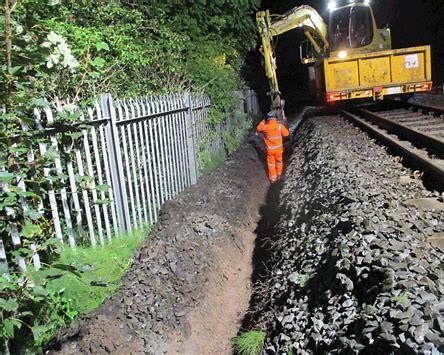
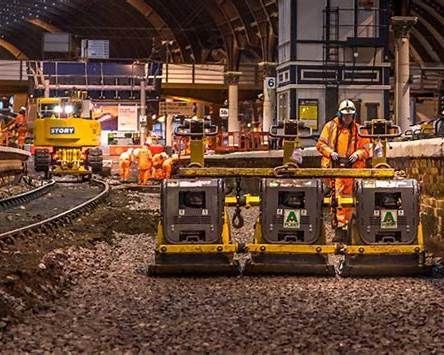
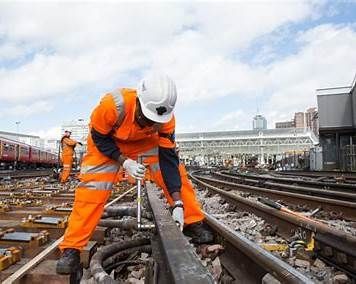
Workers in orange uniforms inspecting railway tracks at night, under bright lights.
By Kieran Smith February 20, 2026
Discover why Safety Critical workforce planning is essential for rail project success in 2026. Deploy Recruitment delivers compliant, specialist rail talent to protect possession certainty and programme delivery.
February 18, 2026
In infrastructure, success is rarely determined by technical capability alone. Major rail, energy, utilities, and manufacturing projects live or die by collaboration, trust, and consistency over long delivery cycles. That is why culture fit has quietly become one of the most decisive factors in project performance, workforce retention, and long-term commercial outcomes. Hiring managers increasingly ask the same question: Why do technically strong teams still struggle on-site or during delivery? More often than not, the answer sits beneath the surface, in organisational culture. This article explores why culture fit matters in infrastructure recruitment, how it directly impacts project outcomes, and how both employers and candidates can evaluate it strategically. We also explain how Deploy embeds cultural alignment into every hiring decision, ensuring long-term success for clients and lasting careers for candidates. Why is Culture Fit important in the workplace, especially in infrastructure? Infrastructure environments are high-pressure, highly regulated, and deeply interdependent. Projects involve multiple stakeholders, shifting timelines, safety-critical decisions, and complex supply chains. In these conditions, culture isn’t a “nice to have”; it’s an operational requirement. A strong culture fit ensures that teams share common values around safety, accountability, communication, and decision-making. When alignment exists, projects move faster, risks are escalated earlier, and collaboration improves across disciplines. From a hiring perspective, poor culture fit often explains why: High-performing hires exit within the first year Projects suffer from friction between contractors and clients Safety standards are interpreted inconsistently Leadership struggles to maintain morale during programme pressure In contrast, organisations with clearly defined cultures experience higher retention, better productivity, and stronger project continuity, all critical in infrastructure delivery. The Importance of Organisational Culture in Business Success Mission statements or office perks do not define organisational culture. In infrastructure, culture is demonstrated daily through how people behave on site, how leadership responds to risk, and how teams communicate under pressure. A strong infrastructure culture typically prioritises: Safety before speed Accountability over blame Collaboration across disciplines Continuous improvement and learning Respect for operational realities on site When these values are consistently reinforced, businesses benefit from improved delivery outcomes, stronger client relationships, and enhanced employer reputation in a competitive talent market. For hiring managers, this means culture must be treated as a strategic hiring component, not an afterthought. Skills can be trained. Cultural misalignment is far harder and far more expensive to correct. Why Culture Fit Directly Impacts Infrastructure Project Success Infrastructure projects are long-term by nature. Rail upgrades, energy transitions, and civil works often span years, not months. Over that time, teams must navigate change, uncertainty, and evolving stakeholder demands. Culture fit supports project success by: Reducing friction between site teams, engineers, and leadership Improving decision-making speed during critical moments Supporting psychological safety, where risks and issues are raised early Enabling consistent safety behaviours across contractors and suppliers Strengthening resilience during delays, scope changes, or regulatory shifts When culture is misaligned, even technically capable teams can stall. When culture aligns, teams adapt and deliver. How Deploy Strategises Hiring for Culture Fit - For Clients and Candidates At Deploy, culture fit is not subjective or informal. It is a structured, evidence-based part of our recruitment strategy. For clients, we invest time upfront to understand: Leadership style and decision-making approach Site culture versus corporate expectations Safety philosophy and behavioural standards Communication norms across project teams Pace, pressure, and performance expectations This insight allows us to filter candidates not just on capability, but on how they work, how they lead, and how they integrate into existing teams. For candidates, Deploy acts as a career partner, not just a recruiter. We help individuals understand whether an organisation’s culture genuinely aligns with their working style, values, and long-term goals. This dual-sided approach reduces mis-hires, improves retention, and builds trust on both sides of the hiring process. How Employers Can Evaluate Culture Fit During Hiring Hiring managers often ask: How do we assess culture fit without bias? The answer lies in behavioural evidence, not personality assumptions. Effective culture-fit evaluation includes: Asking candidates how they handle safety escalations or site conflicts Exploring how they respond to project pressure or shifting priorities Understanding how they collaborate across disciplines Reviewing how they’ve adapted to organisational change in the past Structured interview questions, consistent evaluation criteria, and real project scenarios provide far more insight than gut instinct. For deeper insight into what hiring managers truly listen for in interviews , this guide offers practical context from the employer’s perspective. How Candidates Can Use Culture Fit to Their Advantage Culture fit is not just something employers evaluate; it’s also a powerful tool for candidates. High-performing professionals increasingly prioritise: Leadership transparency Safety culture credibility Long-term project stability Support for development and progression Candidates who understand their own working style can ask smarter questions, assess alignment more accurately, and avoid costly career missteps. Practical steps include: Asking how safety decisions are made on-site Understanding how teams handle project delays or changes Exploring leadership visibility and communication practices Reviewing how success is measured beyond delivery deadlines Candidates who clearly articulate their values and back them up with experience stand out immediately. Structuring your CV to reflect this alignment is equally important, as outlined here . Final Takeaway: Why Deploy Gets Culture Fit Right Infrastructure recruitment succeeds when people, projects, and purpose align. Deploy’s strength lies in our ability to translate organisational culture into hiring strategy, and to match talent not just to roles, but to environments where they can perform, grow, and stay. For clients, we reduce risk by delivering candidates who integrate seamlessly and contribute from day one.
February 16, 2026
Hiring the right professional is only half the equation. How quickly, safely, and confidently they are integrated into your delivery environment determines whether they accelerate progress or introduce risk. For hiring managers overseeing safety-critical, regulated, and technically complex projects, onboarding must move beyond administration. It must become a strategic delivery function. This is where structured onboarding frameworks, recruiter insight, and realistic hiring expectations converge. Why onboarding matters more in infrastructure than any other sector Search trends consistently show hiring managers asking: What is effective employee onboarding? Why does onboarding fail? How long should onboarding take? In infrastructure, the answers are unforgiving. Poor onboarding leads to delayed productivity, safety incidents, disengagement, and attrition, outcomes no live environment can afford. Conversely, effective onboarding drives faster time-to-competence, stronger safety compliance, and better collaboration across multidisciplinary teams. Infrastructure onboarding is not about handovers alone. It is about ensuring new starters understand systems, interfaces, risks, and responsibilities from day one. The 5 C’s of onboarding: A framework built for complex delivery The 5 C’s of onboarding are widely recognised in search and HR literature because they work. In infrastructure, SMEs and large delivery organisations alike, this framework transforms onboarding from a routine process into a delivery enabler. Clarity ensures new hires understand project objectives, reporting lines, scope boundaries, and success metrics. Compliance is critical in regulated environments, covering safety standards, accreditations, right-to-work, and governance. Culture aligns behaviours with site expectations and decision-making norms. Connection embeds new starters into teams, contractors, and stakeholders. Check-in ensures progress is monitored before issues escalate. When these five elements are addressed intentionally, onboarding becomes a stabilising force rather than a disruption. The 70–30 hiring rule: Why onboarding completes the hire Many hiring managers search for “perfect candidates” who tick every box. The reality is that high-performing infrastructure organisations apply the 70–30 hiring rule. This principle accepts that candidates should meet around 70% of role requirements at the point of hire, with the remaining 30% developed through onboarding, mentoring, and structured exposure. In complex projects, this approach is not a compromise; it is a necessity. Technologies evolve, standards change, and every asset environment is unique. Strong onboarding bridges the gap between transferable expertise and project-specific execution, allowing businesses to secure capable talent without delaying delivery. A recruiter-led onboarding checklist for high-stakes projects To support fast, compliant integration, hiring managers should treat onboarding as a phased process aligned to delivery milestones. Pre-boarding: Setting the foundation before day one Effective onboarding starts before the contract is signed. Pre-boarding should ensure all compliance documentation is completed, including certifications, medicals, security clearance, and inductions relevant to the asset environment. Role clarity must be established early, with project scope, reporting structure, and early objectives communicated in advance. Providing access to project documentation, safety expectations, and digital systems before arrival allows new starters to enter the site informed rather than reactive. Recruiter involvement at this stage ensures nothing critical is missed. First day: Establishing confidence and safety awareness The first day should prioritise orientation over output. Site inductions, safety briefings, and introductions to key stakeholders are essential. New hires should leave day one understanding how decisions are made, who they escalate to, and what “good” looks like in that environment. Clear expectations reduce early hesitation and reinforce accountability, particularly in safety-critical roles. First week: Embedding into delivery rhythms During the first week, the focus shifts to integration. Shadowing experienced team members, attending progress meetings, and engaging with cross-functional teams help new hires understand project interfaces and dependencies. This is also where cultural alignment becomes visible. How issues are raised, how risks are managed, and how collaboration works in practice are learnt through observation and structured engagement. First month: Driving contribution and course correction By the first month, onboarding should transition into performance enablement. Objectives should be reviewed, feedback provided, and any skill gaps identified early. This is where the final “C” - Check-In becomes critical. Regular recruiter and manager check-ins ensure small issues are addressed before they affect delivery, morale, or retention. Why recruiter-led onboarding delivers better outcomes Hiring managers often ask: What role should recruiters play after placement? In infrastructure, the answer is simple: a critical one. Specialist recruiters understand regulatory environments, project pressures, and candidate motivations. By supporting onboarding, they act as a bridge between business expectations and human realities, ensuring alignment on both sides. At Deploy, onboarding is viewed as an extension of recruitment, not the end of it. By supporting both clients and candidates through structured onboarding, Deploy helps reduce ramp-up time, improve retention, and protect project momentum. Final takeaway: Onboarding is a delivery strategy, not an HR task In complex infrastructure projects, onboarding determines whether talent becomes an asset or a liability. The combination of the 5 C’s of onboarding, the 70–30 hiring rule, and a structured recruiter-led checklist creates a repeatable framework for success. For hiring managers operating in high-risk, high-value environments, investing in seamless onboarding is one of the most effective ways to protect delivery, safety, and long-term performance. Deploy partners with infrastructure, engineering, and manufacturing organisations to ensure talent is not only hired but fully integrated, compliant, and ready to deliver from day one. If you’re building teams for complex projects where failure is not an option, Deploy ensures onboarding works as hard as your people do.