



Digital Rail, Real People: Why Technology Still Depends on Specialist Skills
How innovation, safety and skilled rail professionals must move forward together
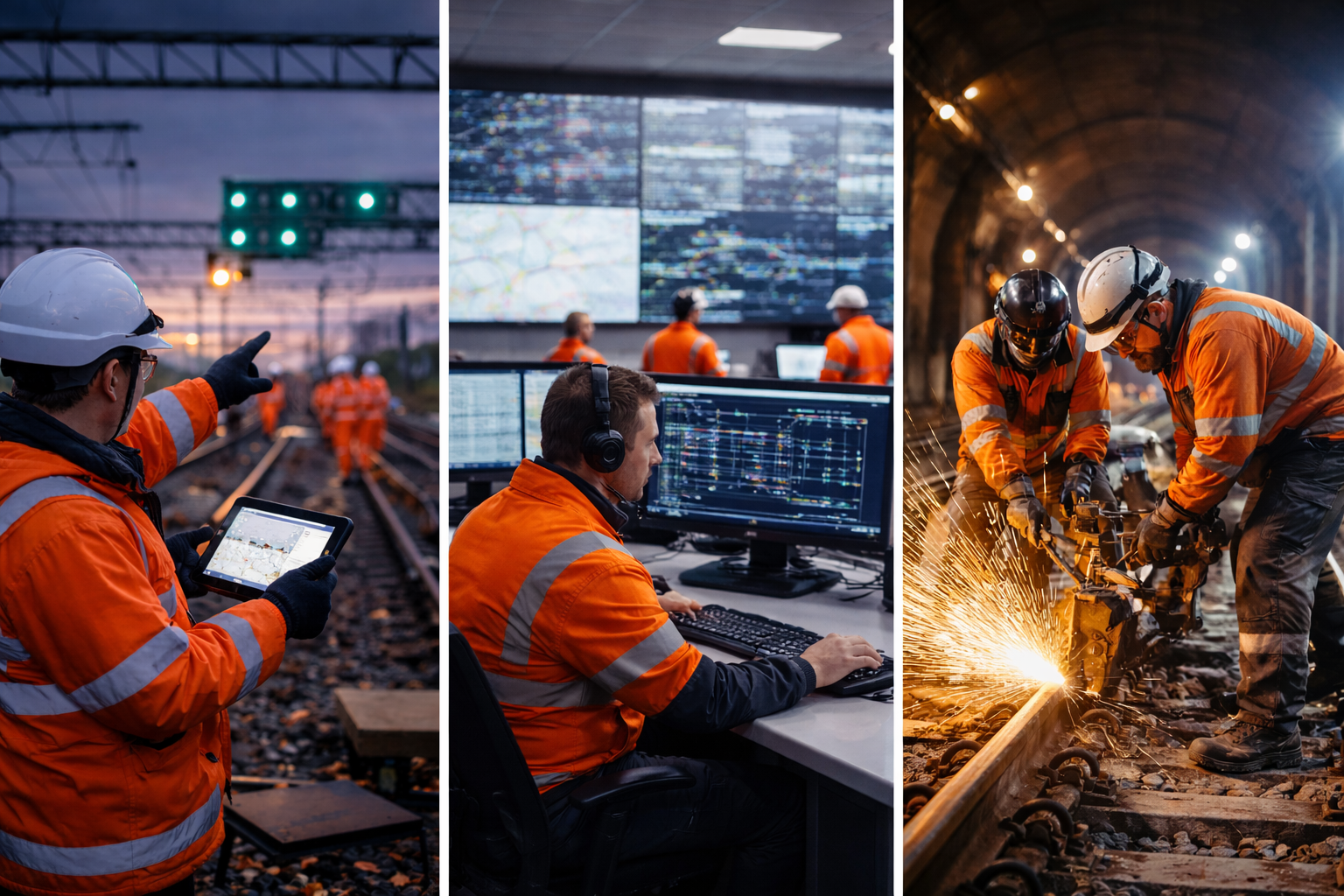
The UK rail industry is undergoing one of its most significant periods of transformation in decades. Digital signalling, smarter possession planning, data-led maintenance and electrification programmes are reshaping how projects are planned and delivered. Investment in technology is accelerating, driven by the need for safer operations, improved performance and long-term network resilience.
Yet for all the innovation, one thing remains constant. Rail is still powered by people. Specialist, compliant professionals are the foundation that turns digital ambition into safe, deliverable outcomes on the ground.
Technology is advancing faster than ever
From the rollout of digital signalling and traffic management systems to the increased use of remote condition monitoring, technology is now embedded across the rail lifecycle. These tools bring clear benefits: improved visibility, reduced downtime, better planning accuracy and safer working environments.
Possession management, for example, is becoming increasingly data-driven. SSOWP planning tools, digital access systems and real-time site reporting are improving coordination and reducing risk. Similarly, advances in Electrification & Power and Signalling & Telecoms (S&T) are supporting the transition to more sustainable, reliable rail infrastructure.
However, technology alone does not deliver safety or performance. It must be implemented, managed and maintained by competent, safety-critical professionals who understand both the systems and the realities of live rail environments.
Safety still starts with people
Rail remains one of the most safety-critical industries in the UK. While digital tools can reduce human error and improve oversight, they cannot replace the need for experienced individuals making informed decisions on site.
Safety Critical staff, SSOWP planners, supervisors and engineering specialists play a vital role in ensuring that technology is applied correctly and consistently. Digital systems are only as effective as the people using them. Competence, situational awareness and clear communication remain essential, particularly during complex possessions or high-risk works.
As the industry evolves, safety requirements are becoming more sophisticated, not less. This increases demand for skilled individuals who can operate confidently at the intersection of technology, compliance and operational delivery.
The growing skills challenge
One of the biggest challenges facing rail today is ensuring that skills keep pace with innovation. New systems require new competencies, while legacy infrastructure still demands deep technical knowledge. This creates a dual challenge for the industry: attracting new talent and retaining experienced professionals.
Supervision & Management roles are under increasing pressure as projects grow in complexity. Leaders are expected to manage multidisciplinary teams, integrate digital tools and maintain the highest safety standards. At the same time, specialist trades and labour gangs remain essential for delivering physical works, from civils and cabling through to electrification and plant operations.
Without a robust, forward-looking workforce strategy, the benefits of digital rail risk being delayed or diluted.
Collaboration over quick fixes
This is where a more strategic approach to workforce delivery becomes essential. The rail industry is moving away from short-term resourcing fixes and towards long-term collaboration. Clients and delivery partners are looking for workforce solutions that provide continuity, compliance and sector expertise.
Deploy works as an extension of client teams, supporting projects with specialist, compliant talent across safety-critical, engineering and delivery roles. By understanding both the technical requirements and the wider project context, we help ensure that innovation is supported by the right people at the right time.
Technology-led rail needs delivery partners who think beyond individual roles and focus on sustainable project outcomes.
Looking ahead: balancing innovation with expertise
The future of rail will be increasingly digital, data-driven and sustainable. Electrification programmes, smarter signalling and integrated planning systems will continue to shape how the network develops. However, success will depend on maintaining a strong pipeline of skilled professionals who can deliver safely and effectively.
Innovation should be seen as an enabler, not a replacement. When technology and specialist rail expertise are aligned, the industry is better positioned to improve safety, efficiency and long-term performance.
At Deploy, we believe the most successful rail projects are built on this balance. By combining sector expertise, compliant workforce solutions and a collaborative mindset, we support the industry in turning digital ambition into operational reality.
Get in touch to discuss how we can help support your rail projects with specialist, safety-focused talent — today and for the future.
Ensure compliance across multi-project infrastructure. Access our checklist for effective workforce management today!

Explore the impact of talent shortages in infrastructure. Plan strategically for 2026's market. Contact us for expert recruitment solutions.
Learn to assess leadership skills in technical candidates beyond their CVs. Enhance your recruitment process today!