


Rapid mobilisation at River Brede landslip supports critical monitoring operations


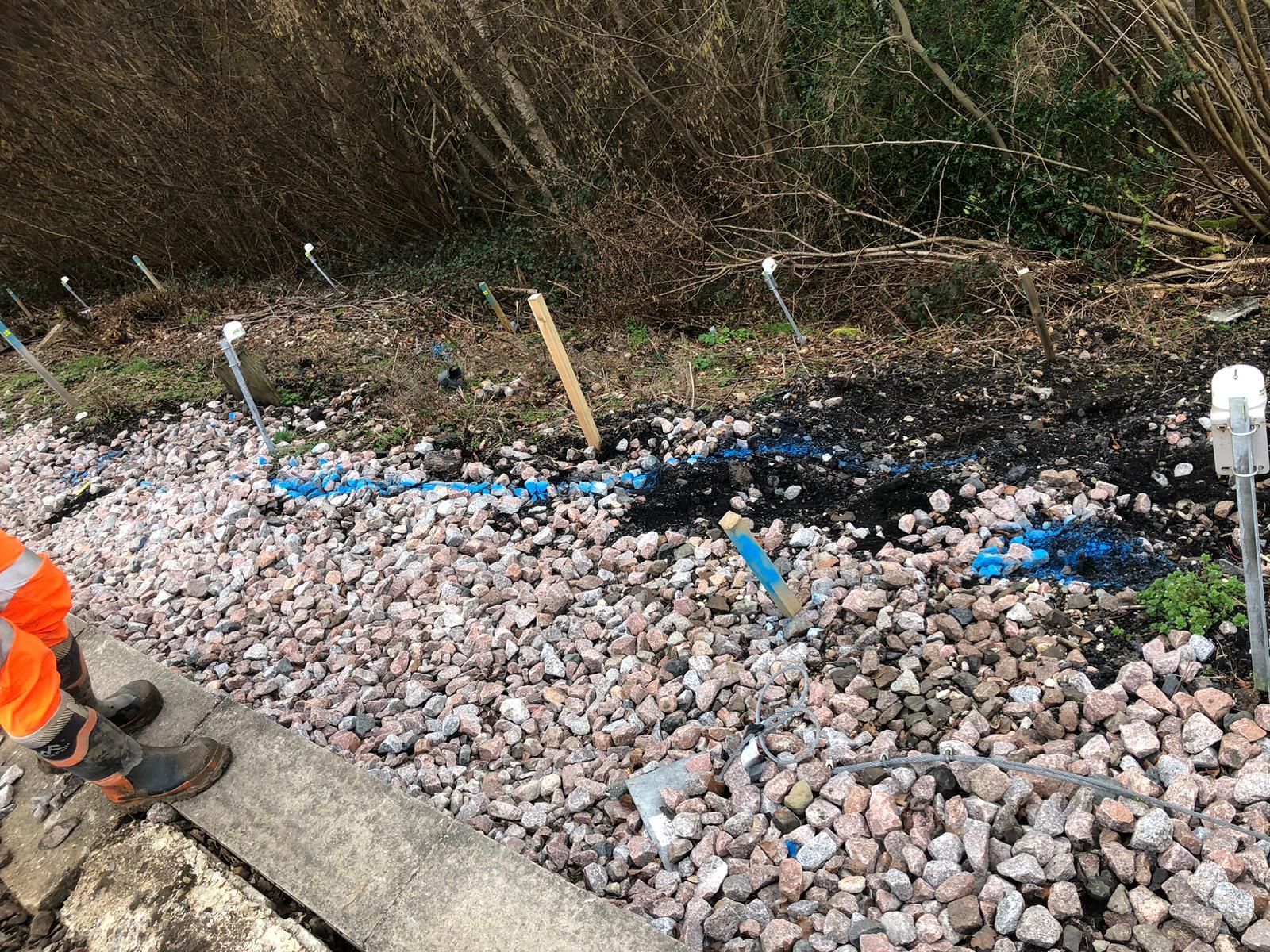
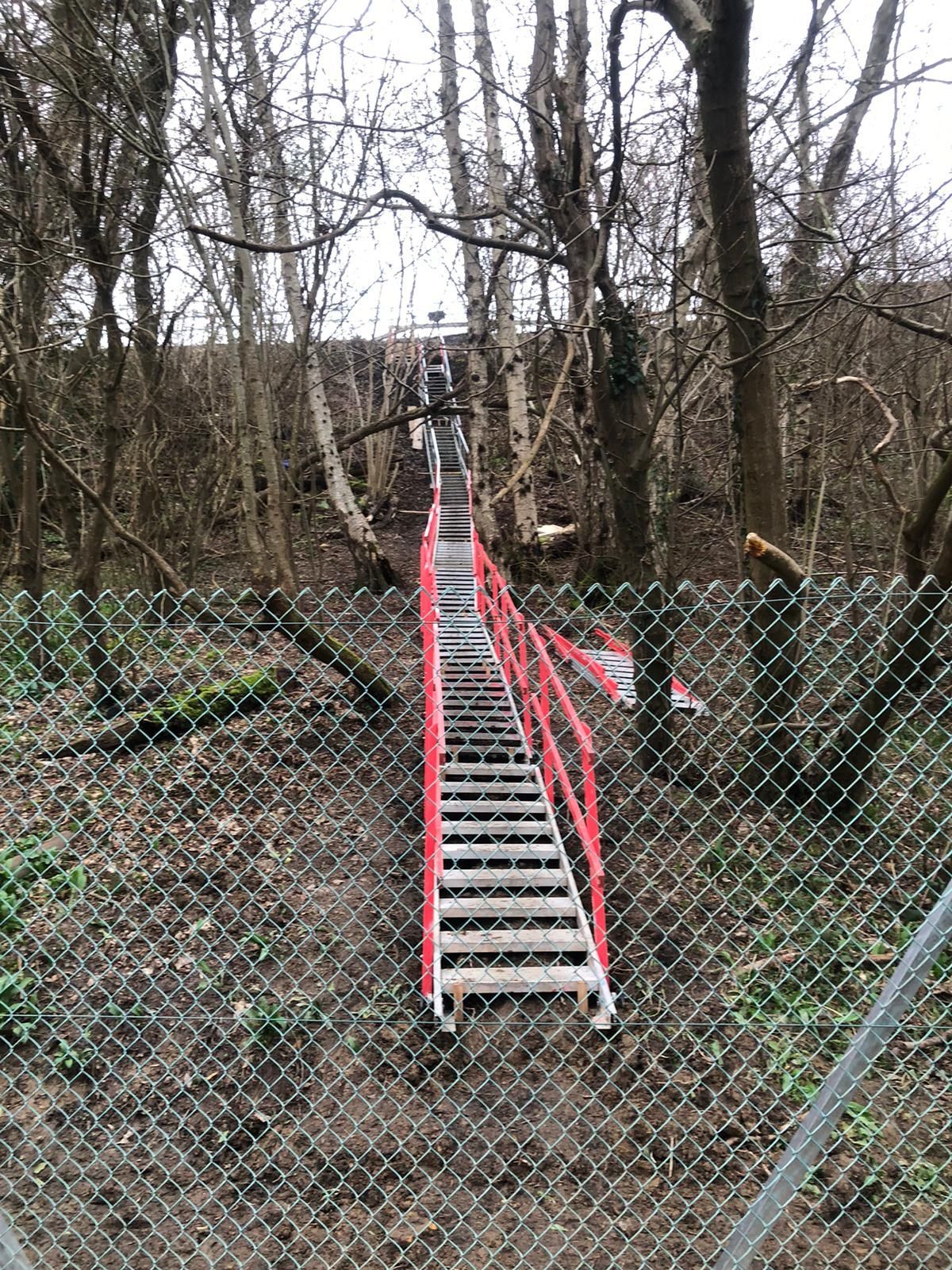
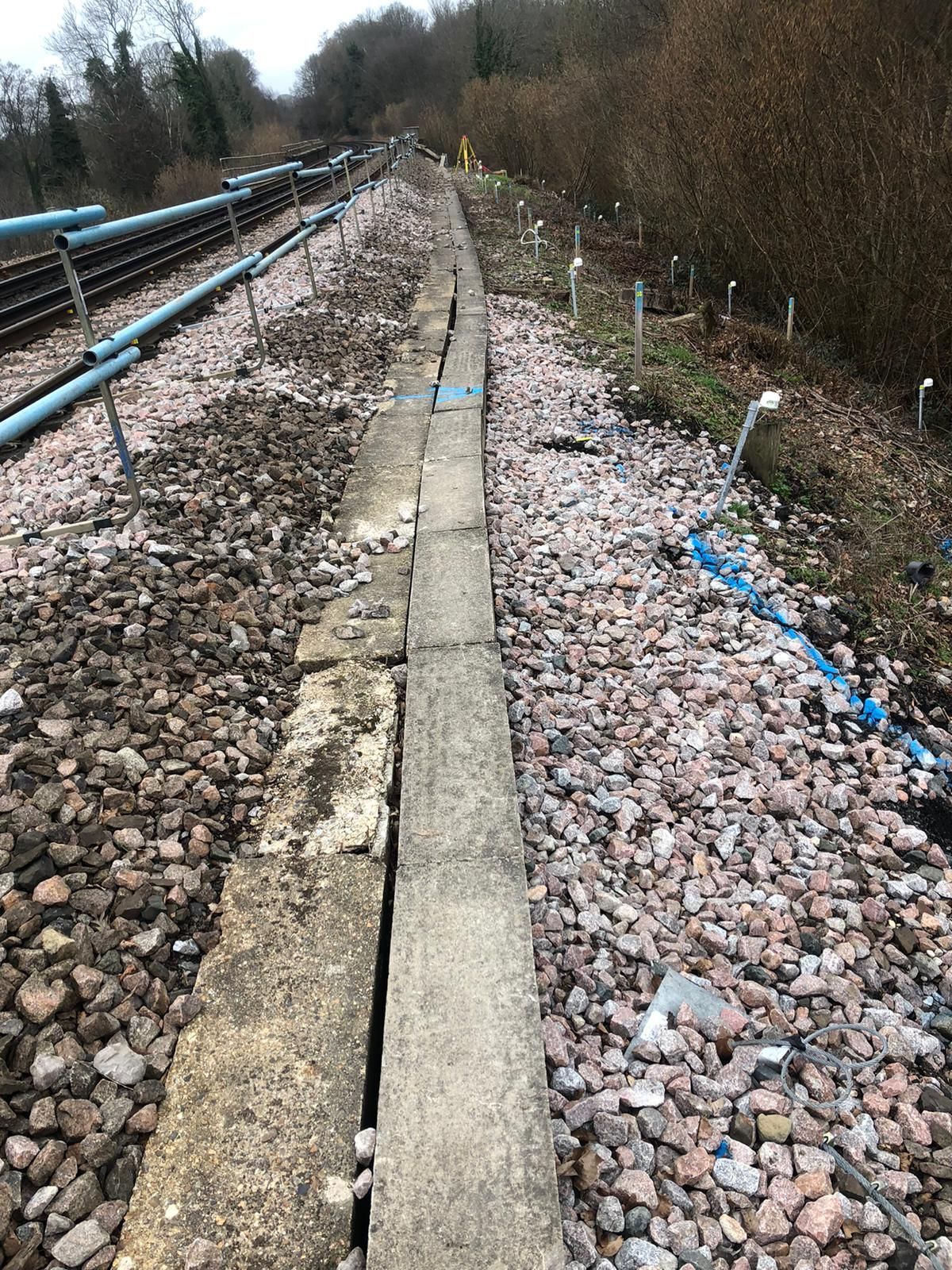
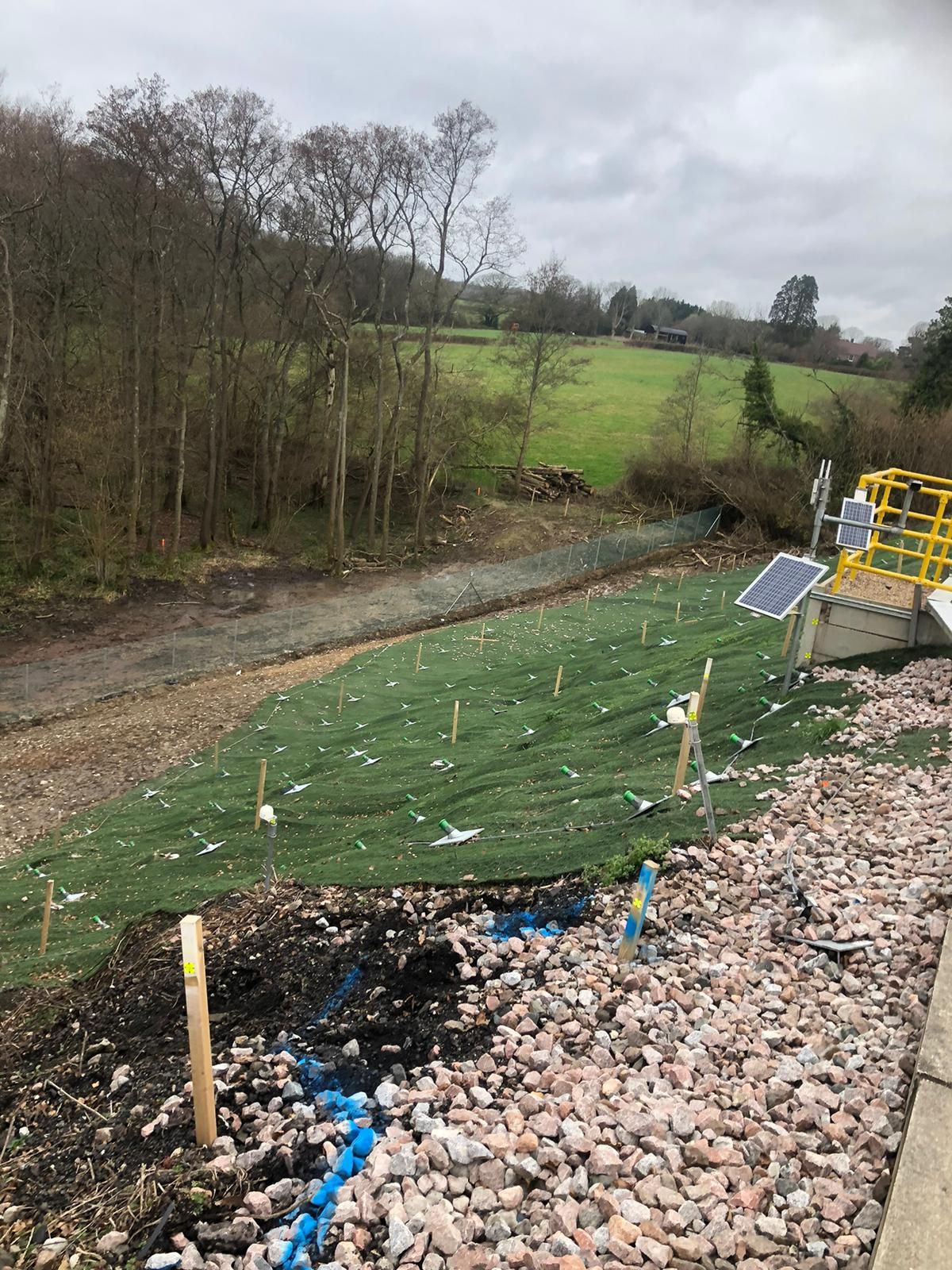
Late on the evening of 24 February, our team received an urgent request to provide COSS (Controller of Site Safety) support for monitoring works at the River Brede landslip — a location requiring immediate oversight to ensure safe access and continued infrastructure monitoring.


By 07:00 the following morning, a fully compliant COSS resource was on site as requested, allowing monitoring operations to begin without delay and ensuring the works could proceed under safe and controlled conditions.


This rapid mobilisation reflects Deploy’s role as a trusted partner across the rail sector, where safety-critical projects often require experienced personnel at very short notice.
Immediate response to a time-critical request


When infrastructure challenges arise, particularly those involving landslips or ground instability, swift coordination is essential. Monitoring activity must begin quickly to assess ongoing risks and maintain operational safety across the rail network.


Our team responded immediately to the request, drawing on our network of safety-critical rail professionals to secure a qualified COSS and mobilise them to site overnight. The resource arrived ready to support the monitoring programme and ensure all work could be carried out in line with rail safety standards.


Providing compliant, experienced personnel at short notice is a key part of how Deploy supports infrastructure projects across the UK rail network. Our teams work closely with partners to understand the operational demands of each project and mobilise the right people when it matters most.


Supporting possession works and continued monitoring


Following the initial mobilisation, Deploy continued to support the project through additional possession staffing on the nights of 25 and 26 February, helping maintain safe site operations as monitoring works progressed.


The support then expanded to cover a 52-hour weekend possession, alongside 24/7 monitoring coverage, ensuring that the site remained safely managed throughout an extended working period.


A further 52-hour possession is now taking place this weekend as monitoring and supporting works continue.


Possession environments require careful coordination and experienced supervision to maintain safety, particularly in locations where infrastructure conditions require ongoing assessment. Deploy’s ability to provide SSOWP and possession management support, alongside safety-critical personnel, ensures that projects can continue with confidence.


Sector expertise when it matters most


Rail infrastructure projects often operate under demanding conditions where safety, compliance, and responsiveness are critical. From landslip monitoring to large-scale engineering possessions, having the right expertise on site can make the difference between delay and safe progress.


Deploy works closely with rail clients across the UK to support projects through the provision of specialist safety-critical resources, supervision, and possession support. Our teams understand the operational realities of the sector and the importance of responding quickly while maintaining the highest safety standards.


The River Brede mobilisation is a clear example of the value of sector expertise, strong coordination, and dependable delivery when infrastructure requires immediate support.


Supporting the safe operation of the rail network


At Deploy, we see ourselves as an extension of our partners’ teams, working collaboratively to deliver safe, compliant solutions for rail infrastructure projects.


From COSS resources and possession planning support to wider safety-critical staffing and supervision, we help ensure that projects can proceed safely and efficiently — even when requirements arise at short notice.


As monitoring and works continue at the River Brede site, our focus remains the same: supporting safe operations, providing trusted expertise, and helping critical infrastructure projects move forward with confidence.


Need specialist rail support?


If your project requires safety-critical rail resources, possession support, or specialist personnel at short notice, our team is ready to help.


Get in touch to discuss how Deploy can support your next project.

March 11, 2026
The energy and power sector is undergoing one of the most significant transformations in its history. Decarbonisation targets, renewable energy expansion, grid modernisation, energy storage innovation, and digital asset management are reshaping how projects are delivered and how teams are built. Against this backdrop, one challenge continues to dominate boardroom conversations: how to recruit technical talent in power fast enough to meet demand, without increasing risk. Traditional hiring models, which prioritise candidates who meet 100% of the job specification, are proving unsustainable. Roles remain open for months. Projects stall. Contractor costs rise. Internal teams are stretched thin. Forward-thinking organisations are now applying a more strategic approach: the 70–30 hiring rule. In the energy sector, this framework offers a practical solution to a complex problem: hire professionals who meet approximately 70% of the role’s requirements and develop the remaining 30% through structured onboarding, mentoring, and upskilling. The result? A more agile, future-ready workforce built for long-term success. Why Energy & Power Hiring Has Become More Complex The demand for skilled engineers and technical specialists in energy generation, transmission, renewables, and grid systems continues to accelerate. Several factors are intensifying pressure: Rapid renewable energy deployment Electrification of transport and industry Smart grid implementation Ageing infrastructure requiring upgrades Regulatory and compliance expansion Digital transformation of energy assets At the same time, the available talent pool is constrained. Experienced professionals are in high demand across oil & gas, renewables, utilities, battery storage, hydrogen, and power transmission projects. Hiring managers face a critical tension: Wait for the “perfect” candidate, or secure high-potential talent and invest in development? The 70–30 hiring rule provides a structured answer. What Is the 70–30 Hiring Rule? The 70–30 hiring rule is straightforward: Recruit candidates who meet 70% of the essential technical and experiential requirements. Develop the remaining 30% through onboarding, training, and real-world project exposure. This approach is particularly effective in sectors undergoing technological change, like energy and power, where new systems and digital tools evolve faster than formal training pathways. Instead of waiting for a fully formed specialist in every emerging technology, organisations prioritise: Core engineering competence Problem-solving capability Learning agility Cultural alignment Technical gaps can be addressed through structured workforce development in energy programmes. The Risk of Strict Hiring Criteria in Energy Projects Energy projects operate on tight timelines and capital-intensive frameworks. Delays in hiring directly impact: Construction schedules Grid connection milestones Commissioning deadlines Regulatory compliance Financial performance When hiring managers insist on candidates who tick every single box, the recruitment cycle lengthens. Meanwhile, internal teams absorb additional workload, increasing burnout risk and error exposure. In sectors such as renewable energy deployment or grid modernisation, waiting for “perfect” hires can mean missing strategic delivery windows. Strict criteria may reduce perceived hiring risk, but they often increase operational risk. Building an Effective Energy & Power Onboarding Strategy Hiring for potential only succeeds if onboarding is intentional. An effective energy and power onboarding strategy should include: 1. Structured Technical Development Plans Clear learning objectives tied to project requirements, including exposure to relevant software, compliance standards, and operational processes. 2. Mentorship Pairing Pairing new hires with experienced engineers accelerates integration and reduces learning curves. 3. Cross-Disciplinary Exposure Energy projects often involve civil, electrical, mechanical, and digital teams. Early cross-team exposure improves systems understanding. 4. Compliance and Safety Immersion Safety-critical environments demand immediate clarity on procedures, reporting structures, and regulatory expectations. 5. Milestone-Based Performance Reviews Check-ins during the first 30, 60, and 90 days ensure development progress remains aligned with project delivery needs. Onboarding transforms hiring for potential into hiring for performance. Upskilling Energy Professionals for Long-Term Agility Workforce development in energy is no longer optional. It is a competitive necessity. Upskilling energy professionals should focus on: Digital asset management systems Smart grid technologies Renewable integration frameworks Energy storage systems Data analytics in operations ESG reporting requirements Investing in upskilling ensures your workforce evolves alongside industry transformation. Companies that treat development as a strategic priority will outperform those that rely solely on recruitment to fill skill gaps. Assessing High-Potential Talent Effectively Not every candidate suited to a 70–30 framework will advertise themselves as “ready to grow". Identifying high-potential professionals requires deeper evaluation. Look for evidence of: Career progression through varied roles Successful adaptation to new systems Cross-sector mobility Examples of solving unfamiliar technical problems Positive peer collaboration feedback Deploy assesses candidates beyond their CVs. We evaluate digital literacy, behavioural adaptability, and long-term progression potential. In an evolving energy landscape, these qualities often predict future success more accurately than static experience lists. Addressing Leadership Roles with the 70–30 Model The 70–30 rule applies not only to technical specialists but also to emerging leaders. Energy projects require project managers, technical leads, and programme directors who can: Manage multi-disciplinary teams Balance regulatory oversight Navigate stakeholder pressure Deliver under commercial constraints Leadership development can also follow a structured pathway. A technically strong engineer with high emotional intelligence may not yet have managed a full project portfolio, but with mentoring and exposure, they can step into that responsibility. Recruiting for leadership potential ensures continuity within your organisation. Deploy’s Approach to Recruiting High-Potential Energy Talent Deploy specialises in identifying professionals who combine proven engineering fundamentals with growth capacity. We understand that recruiting technical talent in power requires: Sector-specific knowledge Awareness of emerging technologies Insight into regulatory pressures Evaluation of behavioural adaptability Our assessment framework considers: Technical depth Learning agility Digital fluency Cultural compatibility Long-term progression potential We help clients hire not just for today’s deliverables but for tomorrow’s transformation. Final Takeaway: Capability Today, Capacity for Tomorrow The energy and power sector cannot afford prolonged vacancies or rigid hiring frameworks that stall progress. The 70–30 hiring rule offers a pragmatic solution: Secure strong foundational expertise. Invest in targeted development. Prioritise adaptability. Build a workforce ready for technological change. Hiring potential energy-sector talent is not about compromise; it is about strategy. In a landscape defined by innovation and transition, organisations that balance immediate capability with long-term growth will lead the market. Deploy partners with energy and power organisations to make that balance achievable, ensuring every hire strengthens delivery today while preparing for the demands of tomorrow.
A yellow and blue trolley car on curved tracks, near a construction site and road, in an urban setting.
March 4, 2026
The UK infrastructure sector is facing a critical inflection point. From rail modernisation and power generation to advanced manufacturing and digital transformation programmes, demand for engineering expertise has never been higher. Yet hiring managers across the country are encountering the same persistent challenge: finding and securing the right engineers is becoming increasingly difficult. The growing engineering talent shortage in the UK is no longer anecdotal; it is structural. Organisations navigating infrastructure recruitment challenges are competing for a shrinking pool of experienced professionals, while project complexity and compliance expectations continue to rise. So why is hiring infrastructure engineers harder than ever, and what can businesses do to stay competitive? The Ageing Workforce: A Structural Skills Drain One of the most pressing contributors to the rail skills gap and wider infrastructure talent shortage is demographic. A significant proportion of the UK’s skilled engineering workforce is approaching retirement age. Decades of technical knowledge, particularly in safety-critical environments such as rail signalling, power transmission, heavy manufacturing, and legacy systems, are leaving the workforce faster than they are being replaced. While graduate programmes exist, replacing experience in complex infrastructure environments is not immediate. Engineering in infrastructure is rarely entry-level in practice. It demands contextual understanding, risk awareness, and decision-making shaped by exposure to real-world delivery challenges. As seasoned professionals retire, organisations are forced to compete aggressively for the remaining mid-to-senior-level talent. Digital Transformation Has Widened the Gap Infrastructure is no longer purely physical. Today’s engineers must understand digital systems, data integration, automation, and smart asset management. In rail, this includes digital signalling and remote monitoring systems. In energy and power, it includes smart grids and data-driven asset optimisation. In manufacturing, Industry 4.0 technologies demand integration between mechanical systems and software platforms. The result? Employers are no longer hiring “traditional engineers” alone; they are seeking hybrid professionals who combine technical grounding with digital fluency. This evolution has intensified the challenges of infrastructure recruitment. The demand for engineers who understand BIM, SCADA, IoT systems, and data analytics has grown rapidly, but supply has not kept pace. Hiring managers are effectively searching for professionals who are both technically experienced and digitally agile, an increasingly rare combination. Rising Compliance and Safety Expectations Infrastructure environments are heavily regulated, and rightly so. Rail, energy, highways, and heavy industry all operate under strict safety and compliance frameworks. This means hiring decisions cannot be based on theoretical capability alone. Engineers must demonstrate familiarity with safety-critical processes, regulatory standards, and operational governance. The compliance threshold narrows the available candidate pool. Even highly skilled engineers from adjacent sectors may lack sector-specific certifications or safety exposure, slowing the hiring process. In high-stakes projects, onboarding must be structured and strategic to mitigate risk. For hiring managers looking to improve integration speed and compliance alignment, adopting a framework similar to a recruiter checklist for high-stakes infrastructure delivery can significantly reduce early-stage disruption and improve retention. Competition Across Sectors Is Intensifying Infrastructure employers are no longer competing only with direct industry peers. Engineers with transferable skills are being attracted to: Renewable energy startups Technology firms Data centres Advanced manufacturing organisations International infrastructure programmes As the energy transition accelerates and digital industries expand, engineering talent has more mobility than ever before. Emerging sectors often offer competitive salaries, flexible working arrangements, and modern project environments. Traditional infrastructure organisations must therefore refine both their hiring strategy and employer value proposition to remain competitive. Insights from broader market shifts , such as developments highlighted in recent energy and power industry news in 2026, demonstrate how rapidly workforce demand is evolving and how infrastructure employers must adapt accordingly. Why Strict Hiring Criteria Can Slow Delivery In response to the skills shortage, some organisations tighten requirements, seeking candidates who meet 100% of the criteria. While understandable, this approach can backfire. Overly rigid hiring specifications: Prolong vacancy periods Increase project delays Escalate contractor dependency costs Narrow already limited talent pools Forward-thinking organisations are shifting towards hiring for capability and adaptability, supported by structured onboarding and development pathways. The focus is moving from “perfect experience” to “proven fundamentals plus growth potential". What Hiring Managers Can Do to Compete Addressing the skilled engineering workforce shortage requires strategic adjustments. 1. Broaden the definition of transferable skills Engineers from adjacent sectors often possess relevant systems thinking, safety awareness, and project delivery experience that can be adapted. 2. Invest in structured onboarding and upskilling Bridging small capability gaps through mentoring and digital training is often faster than waiting for a perfect hire. 3. Highlight career development opportunities Top engineering talent is attracted to organisations that invest in progression, technology adoption, and long-term project exposure. 4. Partner with specialist recruiters Generalist recruitment approaches often fail in complex infrastructure hiring. Deep sector knowledge is essential to assess both technical competence and cultural fit. The Role of Specialist Recruitment in a Tight Market Hiring infrastructure engineers today requires more than CV screening. It demands understanding: Regulatory environments Project lifecycles Stakeholder complexity Digital transformation pressures Candidate motivations Deploy operates at this intersection. We recognise that successful placements depend not only on matching skills to job descriptions but also on aligning mindset, adaptability, and delivery culture. In a market defined by an engineering talent shortage in the UK, organisations cannot afford mismatches. Technical competence must align with team dynamics, compliance expectations, and long-term project objectives. Final Takeaway: Talent Scarcity Demands Strategic Hiring The infrastructure talent shortage is driven by an ageing workforce, expanding digital requirements, rising compliance standards, and cross-sector competition. These forces are unlikely to ease in the near future. For hiring managers, the solution is not simply increasing recruitment activity. It is refining hiring strategy, balancing capability with potential, technical depth with digital fluency, and compliance with cultural fit. Deploy understands the realities of infrastructure recruitment challenges because we operate within them daily. Our focus is not just filling vacancies but strengthening delivery teams with engineers who can thrive in complex, regulated, and evolving environments. In a market where the right hire can determine project success, specialist insight makes all the difference.
A white bullet train on tracks at a station with a blue stripe and overhead wires.
March 2, 2026
The UK rail sector is entering one of its most technically demanding periods in decades. From network upgrades and electrification programmes to digital signalling and capacity expansion, projects are becoming more interconnected, more regulated, and more publicly scrutinised than ever before. For hiring managers, this reality presents a pressing question: What skills actually drive delivery success in complex rail projects? In a high-stakes environment defined by safety compliance, stakeholder pressure, and evolving technology, the difference between programme momentum and costly delay often comes down to one factor: talent capability. Recruiting for safety-critical rail roles today requires more than matching CVs to job descriptions. It demands a deep understanding of railway project management skills, behavioural competence, systems thinking, and collaborative delivery. This article explores what truly matters when hiring for complex rail systems delivery, and why technical certifications alone are no longer enough. The New Reality of Complex Rail Systems Delivery Railway infrastructure projects are rarely isolated engineering tasks. They are layered ecosystems involving: Civil engineering works Track and signalling integration Electrification systems Telecoms and digital control Rolling stock compatibility Asset protection Regulatory oversight A delay in one discipline can cascade across the entire programme. Misalignment between systems can compromise safety or require costly redesign. Why Rail Infrastructure Recruitment Has Become More Challenging There are three major forces reshaping rail infrastructure recruitment: Increasing digital integration Stricter safety and compliance standards Greater public and stakeholder accountability Modern rail projects increasingly involve digital signalling systems such as ETCS, remote condition monitoring, data-driven asset management, and integrated control centres. Engineers must be comfortable working at the intersection of traditional rail systems and digital platforms. At the same time, safety-critical expectations remain uncompromising. Compliance is non-negotiable. Documentation, risk registers, design assurance processes, and operational testing all demand meticulous oversight. The result is a hiring landscape where employers are seeking professionals who combine: Deep technical knowledge Digital fluency Regulatory awareness Strong leadership capability That combination is rare and highly valuable. The Core Skills That Drive Rail Project Success 1. Systems Integration Expertise The most critical skill in complex rail programmes is systems integration. Railways function as interdependent systems. Signalling interacts with track layout. Electrification impacts rolling stock. Telecoms underpin operational communication. Digital control systems link them all. Professionals working in these environments must understand: Interface management Cross-discipline coordination Testing and commissioning sequencing Interoperability requirements Systems integration requires engineers who can see beyond their own discipline and anticipate downstream impacts. This systems-thinking mindset reduces costly redesign and late-stage conflict. When hiring, assess whether candidates demonstrate experience managing interfaces, not just delivering isolated tasks. 2. Signalling and Digital Rail Knowledge The digital transformation of rail is accelerating. Traditional mechanical signalling is being replaced with computer-based interlocking, traffic management systems, and real-time monitoring platforms. Professionals involved in complex rail systems delivery must demonstrate: Familiarity with digital signalling frameworks Understanding of software-driven control systems Experience with system testing and validation Awareness of cybersecurity risks Even candidates in non-signalling roles benefit from digital awareness. Project managers, engineers, and technical leads must understand how digital components affect programme sequencing and integration risk. Digital rail knowledge is no longer niche; it is becoming foundational. 3. Advanced Railway Project Management Skills Railway project management skills go far beyond generic scheduling or cost control. In high-stakes rail programmes, project leaders must manage: Multi-tier contractor environments Regulatory approvals Operational disruption constraints Public scrutiny Strict possession planning Possession overruns can lead to financial penalties and reputational damage. Programme slippage can impact national transport capacity. 4. Stakeholder Management in High-Visibility Environments Complex rail projects involve a broad stakeholder network: Asset owners Train operating companies Regulators Local authorities Contractors Communities Engineers and project leaders must navigate competing priorities while maintaining delivery momentum. They must articulate technical risk to non-technical audiences and build trust across disciplines. When assessing candidates, look for examples of: Conflict resolution Cross-functional collaboration Escalation management Executive reporting Rail projects fail as often through miscommunication as through technical error. 5. Risk Mitigation and Proactive Problem-Solving Rail environments are inherently risk-sensitive. From safety hazards to schedule conflicts, risks must be identified and managed early. Successful professionals demonstrate: Formal risk management methodology knowledge Proactive hazard identification Contingency planning Structured documentation More importantly, they demonstrate behavioural calm under pressure. High-performing rail engineers do not simply escalate problems; they propose solutions. They balance compliance with pragmatism. 6. Safety Compliance and Regulatory Awareness Safety-critical rail roles demand rigorous compliance with industry standards. Professionals must understand: Design assurance processes Safety case preparation Testing and commissioning validation Audit requirements Incident reporting protocols However, compliance competence is not only about paperwork. It reflects a mindset, one that prioritises safety in decision-making. When hiring, assess whether safety is embedded in candidates' descriptions of past projects. Do they reference risk mitigation naturally? Do they discuss compliance as integral rather than administrative? Why Certifications Alone Are Not Enough Rail recruitment often leans heavily on certifications and technical credentials. While these are essential, particularly in safety-critical environments, they do not guarantee delivery success. Two engineers may hold identical qualifications, yet perform very differently on site. Certifications validate knowledge. Behaviour validates execution. Complex rail programmes require: Emotional intelligence Collaborative mindset Adaptability Accountability Behavioural capability determines how professionals operate within multidisciplinary teams, how they respond to setbacks, and how they manage pressure. Hiring purely on technical merit risks overlooking the interpersonal skills that keep projects aligned. The Role of Collaboration in Complex Rail Delivery Rail delivery is inherently collaborative. Civil engineers must coordinate with signalling teams. Project managers must liaise with operations. Designers must consult asset owners. Fragmented teams create delay. Strong hires demonstrate collaborative fluency. They: Share information openly Anticipate cross-team impacts Align around shared objectives Accept accountability In complex rail systems delivery, collaboration is not a soft benefit; it is a performance driver. Interviewing for Delivery Capability When hiring for railway project management skills or safety-critical rail roles, interview structure matters. Move beyond competency lists. Ask scenario-based questions: Describe a time when interface conflict delayed delivery. How did you resolve it? How have you managed signalling integration challenges? What steps did you take to mitigate programme risk under operational constraints? How did you maintain compliance during accelerated timelines? Behavioural examples reveal far more about delivery potential than certificates alone. Attracting the Right Rail Talent Given the current market pressures, attracting experienced rail professionals requires: Clear articulation of project scope Transparent safety culture Defined progression pathways Competitive remuneration Flexible engagement models Rail professionals seek environments where technical integrity is respected and collaboration is valued. Organisations that communicate purpose, stability, and professional growth opportunities will outperform those relying solely on salary competition. The Strategic Importance of Specialist Rail Recruitment Hiring for complex rail projects requires sector-specific expertise. Generalist recruitment approaches often struggle to assess the nuanced competencies required for systems integration, digital signalling knowledge, or possession planning experience. Specialist recruiters understand: The difference between theoretical rail experience and operational exposure The realities of safety-critical accountability The importance of cultural fit within established project teams Deploy works at this intersection of technical and behavioural evaluation. We assess not only whether a candidate can perform the role but also whether they can integrate into a high-stakes, multidisciplinary environment. This distinction is critical in complex rail systems. The Future of Rail Talent As digital rail initiatives expand and infrastructure modernisation continues, the demand for hybrid professionals will grow. Future-ready rail engineers will combine: Traditional systems knowledge Digital fluency Leadership maturity Risk management capability Stakeholder confidence Final Takeaway: Skills That Sustain Delivery Hiring for complex rail projects is no longer a straightforward technical exercise. It is a strategic decision that influences programme risk, safety performance, and stakeholder confidence. Delivery success depends on professionals who can: Integrate systems seamlessly Navigate digital transformation Manage risk proactively Uphold safety standards rigorously Lead collaboratively under pressure For organisations operating in safety-critical rail environments, securing the right blend of expertise and mindset is essential. Deploy understands the intricacies of rail infrastructure recruitment and the competencies that underpin complex rail systems delivery. In high-stakes projects, the right hire does more than fill a vacancy; they protect timelines, budgets, and reputations. And in rail, that margin matters.