

CCU Commissioning Success

Client 

Network Rail
Location

F2P / North Down Lines
Delivery Window

3 Months

Scope

Level Crossing Commissioning Support | Signalling Upgrade Enablement | Site Logistics & Safe Systems of Work
Project Type

FTNx Network Upgrade / Rail Telecoms Infrastructure


Overview


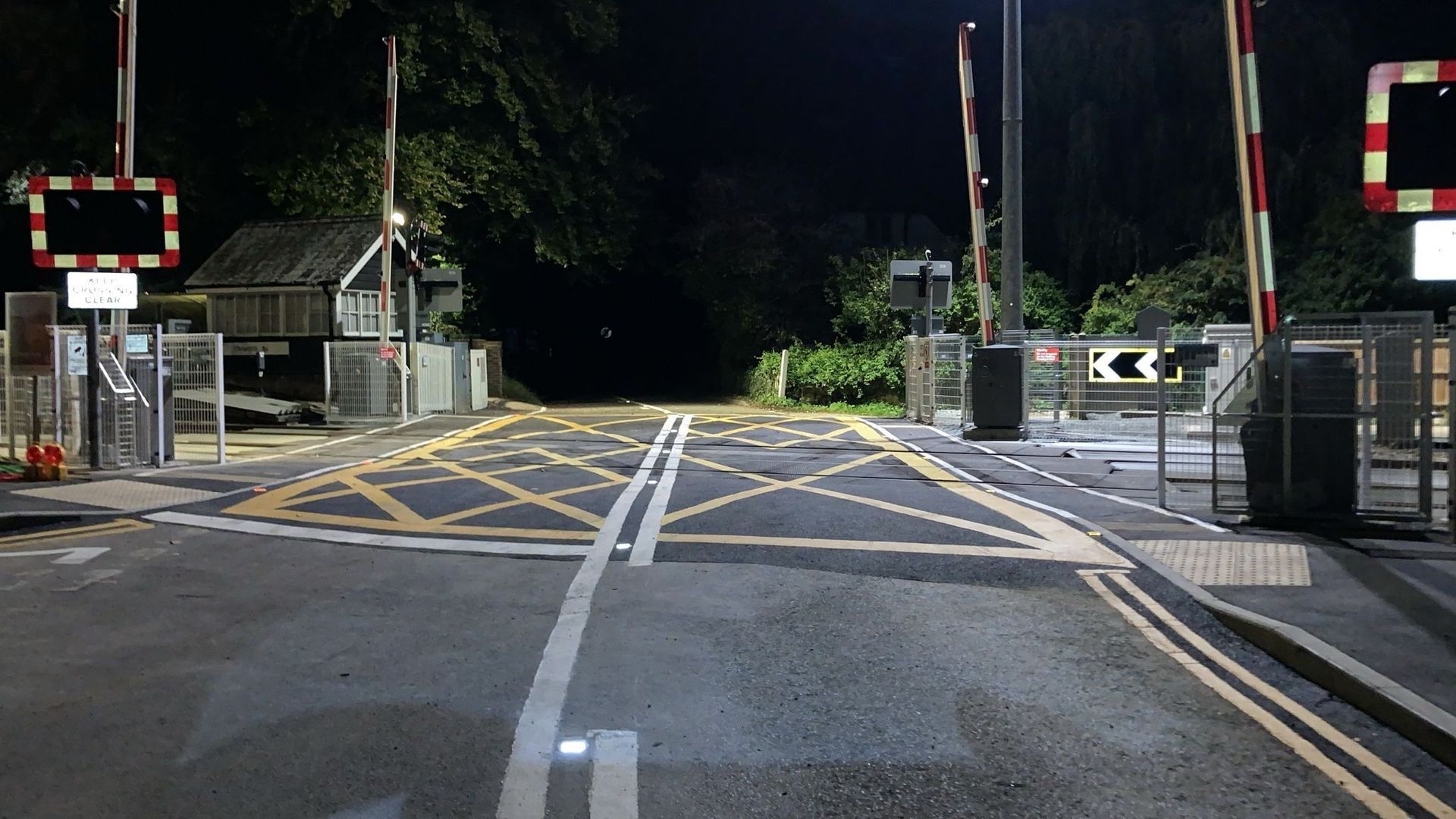
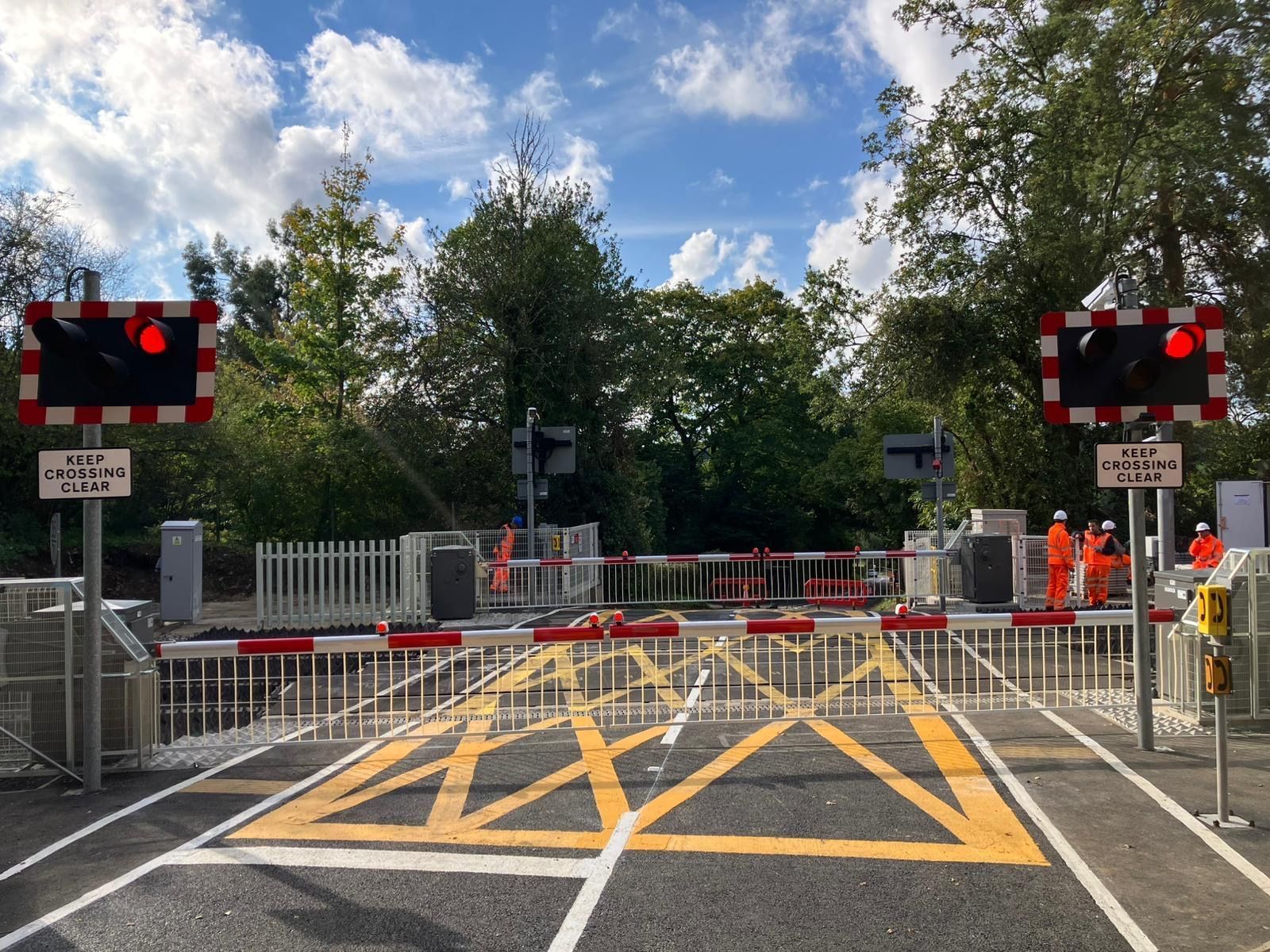
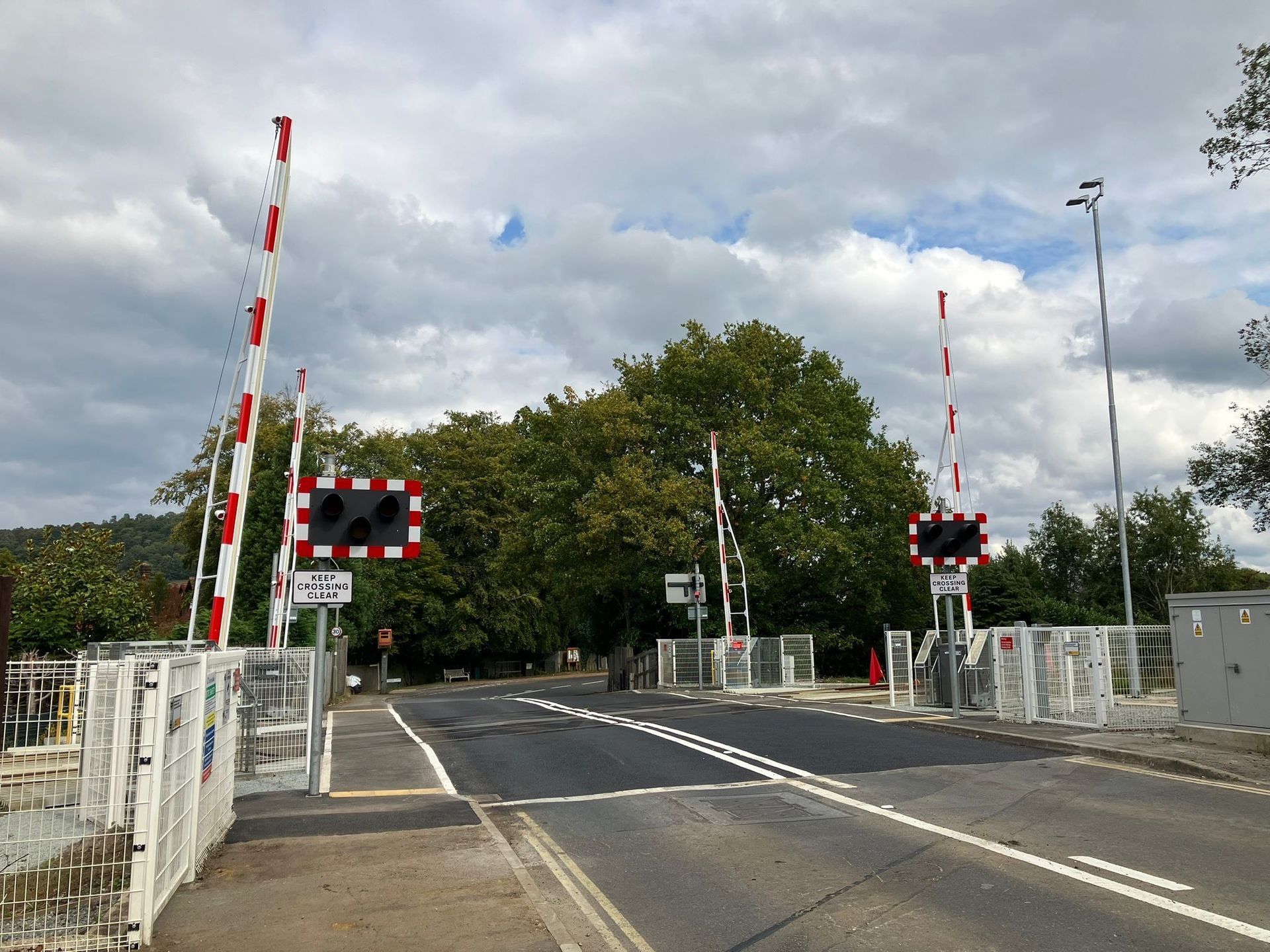
During a critical 2-week blockade on the North Downs Line in Surrey, Deploy successfully supported Network Rail in the upgrade and final commissioning of 4 level crossings and 16 new signals. Our team safely manned all CCU crossings, enabling the works to be delivered on time, within budget, and with seamless integration into Network Rail’s live infrastructure.


This milestone was achieved through detailed planning, precise resource allocation, strong worksite logistics, and effective stakeholder coordination across a complex multi-site programme.
The Challenge


This project required Deploy to deliver safe, reliable operational coverage across multiple crossings during a high-pressure possession, while Network Rail executed major infrastructure upgrades. Key challenges included:


  • Coordinating multiple workfronts across a defined blockade window
  • Maintaining safe operation at CCU crossings during commissioning activity
  • Supporting commissioning of new technology and updated signalling systems
  • Delivering consistent welfare and workforce support across dispersed locations
  • Ensuring clear lines of communication and escalation across a 24/7 environment


Additionally, due to scheduling and commissioning sequencing, two Obstacle Detection (OD) crossings needed to remain in Crossing Clear Unit (CCU) mode for a period post-commissioning, requiring robust operational control and continuity.


Deploy’s Solution


Deploy provided a fully planned and resourced delivery model to support safe commissioning and maintain crossing operations throughout the blockade.

Operational Resourcing & Safety Coverage

Deploy provided:


  • CCU Operators across all required sites
  • Contingency Level Crossing Attendants for resilience and rapid response
  • 24-hour on-call support to maintain continuity and operational assurance
  • Welfare drivers to support shift coverage and logistics
  • Mobile welfare units deployed across all level crossings


Technology and Process Controls

To ensure correct crossing operation and strengthen site assurance, Deploy implemented:


  • QR Codes at each barrier, supporting correct identification and operation of every crossing


Worksite Coordination

The success of commissioning was driven by:


  • Comprehensive work planning and sequencing
  • Effective site logistics and resource deployment
  • High-quality stakeholder coordination with Network Rail and contractor teams
  • Clear operational control for OD crossings remaining in CCU mode until OD functionality became active

Locations & Work Scope


The project scope was delivered across multiple sites, including:


F2P

  • Liss Common
  • Kings Fernsden
  • Princes Bridge
  • Milford
  • Liss Station
  • Sheet
  • Farncombe East


North Down Lines

  • Burrows Lane
  • Brook


Key activities enabled and supported by Deploy included:


  • Removal of existing foundations and bases
  • Installation of new level crossing barrier bases
  • RTL base installation
  • Highway signage renewals
  • Fencing renewals, including anti-trespass measures and adaptations
  • Resurfacing and road marking at approach roads and crossing quadrants

Delivery Milestones


As part of the North Downs Line scheme, the blockade was successfully delivered, interfacing two MCB-CCTV crossings and two MK2-OD crossings with ASM and marking a first-of-its-kind technology deployment on the route. The works included modifications to an existing NX panel to incorporate axle counter functionality, the installation of 15 new iLS signals, and commissioning support for 16 upgraded signals between Shalford and Gomshall, delivering major improvements to level crossing safety and overall reliability.


Innovation & Safety Improvements


Two crossings introduced radar-based OD technology:

Brook and Burrows Lane

New radar technology scans the crossing prior to each train arrival, lowering barriers only when the route is confirmed clear — significantly improving safety and reducing unnecessary barrier downtime.


Chilworth and Tangley

New CCTV commissioning allows signallers to visually confirm the crossing is safe before lowering barriers, increasing control and safety assurance.

Notably, Burrows Lane, Tangley and Brook are currently among the highest-risk crossings on the route — the upgrades are expected to reduce the risk of incidents by up to 97%.


Outcome


Deploy enabled Network Rail to successfully complete commissioning across all planned sites, delivering an essential modernisation scheme that will improve reliability and unlock future capacity on the North Downs Line.


Project outcomes included:


  • Delivered on programme within the 2-week blockade
  • Delivered within budget
  • Seamless integration with Network Rail's live infrastructure
  • Strengthened stakeholder collaboration and working partnerships
  • Improved operational reliability through upgraded signalling systems
  • Major safety uplift through OD and CCTV-enabled crossings

Deploy’s Value Add


This project is an example of Deploy’s ability to deliver safe, well-coordinated operational support for high-impact rail commissioning activity — including working in live environments, managing complex logistics, and providing disciplined resource assurance across multiple sites.


Two people in safety vests at a solar farm with wind turbines; one looks at plans.
By Kieran Smith January 15, 2026
Discover how workforce strategy is shaping the future of the UK Energy & Power sector, from solar and wind to EV infrastructure. Specialist, compliant talent is key to safe and successful delivery.
White hard hat on a concrete block, with a construction site background.
January 13, 2026
If you’ve ever sat across from a panel of interviewers in the infrastructure, rail, or energy sector, you know that moment, the one where the room feels heavy with expectation. They’re not just looking for someone who can do the job; they’re looking for someone who understands the weight and purpose behind it. The UK’s infrastructure landscape is entering one of its most transformative eras, and so are the expectations placed on its workforce. According to the UK Infrastructure and Projects Authority (IPA) , over £700 billion worth of projects are in the pipeline for the next decade—ranging from high-speed rail and renewable energy to digital connectivity and water management. With this comes a surge in demand for skilled professionals who can bridge technical expertise with human understanding. So, what exactly do hiring managers want to hear in an interview? Let’s unpack that. Understanding What Employers Are Really Looking For In today’s competitive job market, hiring managers in the rail, energy, and infrastructure industries are looking beyond qualifications. They’re assessing three critical areas: technical proficiency, problem-solving ability, and cultural fit. They want to see that you understand the scale of the projects you’re applying to be part of, that you can think in systems, work collaboratively, and uphold safety and sustainability at every stage. The best candidates are those who can link their technical achievements to real-world impact: projects completed safely, budgets managed efficiently, and teams that grew stronger under their leadership. The Interview Questions That Really Matter You might expect to discuss your previous projects or certifications, but the questions that truly reveal who you are go deeper. Here are five examples of questions hiring managers often ask and what they really want to hear: “Can you describe a project where you overcame a major challenge?” They’re testing your resilience and creativity. Be specific. Share how you assessed the situation, involved the right people, and made decisions under pressure. “How do you ensure safety remains a top priority on-site?” They’re gauging your commitment to compliance and wellbeing. Hiring managers value candidates who can embed safety into culture, not just procedure. “Tell us about a time you collaborated across disciplines or teams.” Infrastructure projects are rarely solo efforts. This question explores how you communicate and coordinate with engineers, planners, and contractors to achieve aligned outcomes. “How do you handle scope changes or client demands mid-project?” Adaptability is key. They want to see that you can balance flexibility with control, protecting timelines and quality without compromising relationships. “What excites you most about working in infrastructure today?” Here’s where passion speaks. Your answer should show curiosity about emerging technologies like green energy solutions, digital modelling, or modular construction, and an eagerness to contribute to the sector’s evolution. When answering, remember this: employers don’t just want your credentials. They want your story. How did you grow, what did you learn, and how did your contribution make a difference? What Hiring Managers Listen For Beyond the Resume While your technical expertise in project management, design, or operations is crucial, hiring managers are just as attentive to your soft skills. The best candidates communicate not only what they did, but also how they did it. Employers want to hear about: The time you solved a complex site issue that wasn’t in the manual. When you stepped up to lead a team through unexpected change. How did you mentor someone to perform better and stay safe? These stories give life to your interview; they show self-awareness, leadership, and integrity. By blending hard data with human insight, you turn your answers into proof of value. Top Five Skills to Master in Today’s Infrastructure Market The infrastructure industry is evolving fast, shaped by sustainability goals, digital innovation, and global uncertainty. To stay ahead, focus on developing these five in-demand skills: Hard Skills: Project Delivery & Management – the ability to oversee complex, multi-phase projects efficiently. Digital & Data Literacy – familiarity with BIM, GIS, and data-driven decision tools. Health, Safety & Compliance Knowledge – a deep understanding of HSE regulations and risk management. Soft Skills: Collaborative Leadership – inspiring cross-functional teams to deliver results under pressure. Adaptability & Communication – managing change, uncertainty, and stakeholder relationships with confidence. These are the skills that separate good candidates from great ones, the professionals who don’t just fit the job description but elevate the project’s success. How Deploy Can Help You Build a Future in Infrastructure Navigating interviews in such a technical and fast-moving industry can feel daunting, but you don’t have to go it alone. At Deploy, we specialise in connecting skilled professionals with leading employers in infrastructure, rail, energy, and construction. Our consultants understand the language of this sector because they’ve lived it. We go beyond matching job titles; we align your capabilities, ambitions, and strengths with organisations that will help you grow. Whether you’re preparing for your next big interview or exploring a career move, Deploy provides the guidance and insight to help you make an impact. Ready to take the next step? Let Deploy help you prepare, position, and progress in your infrastructure career. Visit Deploy to explore current opportunities and get tailored career support.
By Kieran Smith December 24, 2025
Discover why Christmas rail possessions are critical to the Cambridge programme and how Deploy supplies compliant track workers to deliver safe, efficient festive-period works.